2026 How to Choose the Right Grinding Machine for Your Needs?
Choosing the right grinding machine requires careful consideration. Not all grinding machines are created equal. Your specific needs will largely determine the choice.
When selecting a grinding machine, think about the materials you’ll be working with. Different machines tackle different materials at varying degrees of efficiency. Compatibility is key. For example, high-precision jobs might demand a CNC grinding machine, while simpler tasks could be handled by a manual version.
Pay attention to the machine's specifications. Factors like horsepower, speed, and wheel size can greatly impact your grinding efficiency. Sometimes, the best option might not be the most expensive one but a model that fits your operations well. Reflect on your unique requirements, as this will guide you in making an informed decision on the best grinding machine for your tasks.
Understanding Different Types of Grinding Machines Available in 2026
In 2026, the range of grinding machines has expanded significantly. This evolution reflects the growing demands in various industries. For instance, the precision grinding machine market is projected to reach $5 billion by 2026, reflecting a need for high-accuracy production. Selecting the right machine hinges on understanding their types and applications.
Surface grinders and cylindrical grinders are two prevalent types. Surface grinders excel at providing flat finishes. They are widely used in automotive components. Conversely, cylindrical grinders specialize in round objects, offering consistency for shaft production. According to an industry report, approximately 30% of manufacturers report inconsistent results when switching between these machines, indicating the importance of knowing your specific requirements.
There's a trend towards automation in grinding technology. Machines equipped with AI can adjust parameters on-the-fly. However, not all manufacturers have embraced this shift. Around 40% express concerns over reliability and maintenance. This hesitation can lead to a mismatch between needs and capabilities. Identifying these nuances is crucial before making a purchase to avoid costly mistakes in operational efficiency.
Key Factors to Consider When Selecting a Grinding Machine
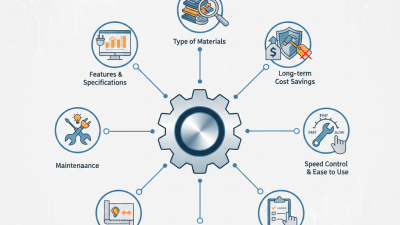
Choosing the right grinding machine can feel overwhelming. Many factors can influence your decision. Start with your specific needs. Understand the materials you will work with. Different machines excel with different materials. For instance, metal grinding requires a different approach than ceramic.
Consider the machine's power and speed. Higher speeds often yield faster results, but not always better quality. It's critical to assess the balance between speed and finish. Pay attention to the machine's design and size as well. A compact machine may save space, but can it handle your production volume?
Think about your budget. A higher price does not always guarantee the best machine for your needs. Sometimes, a simpler model could be more effective. Reflect on the machine's maintenance requirements too. Maintenance can impact long-term costs. Look for a machine that offers ease of use and reliability. This way, it fits seamlessly into your workflow. Remember to keep your choices aligned with your goals and capabilities.
2026 How to Choose the Right Grinding Machine for Your Needs?
Assessing Your Specific Grinding Needs and Applications
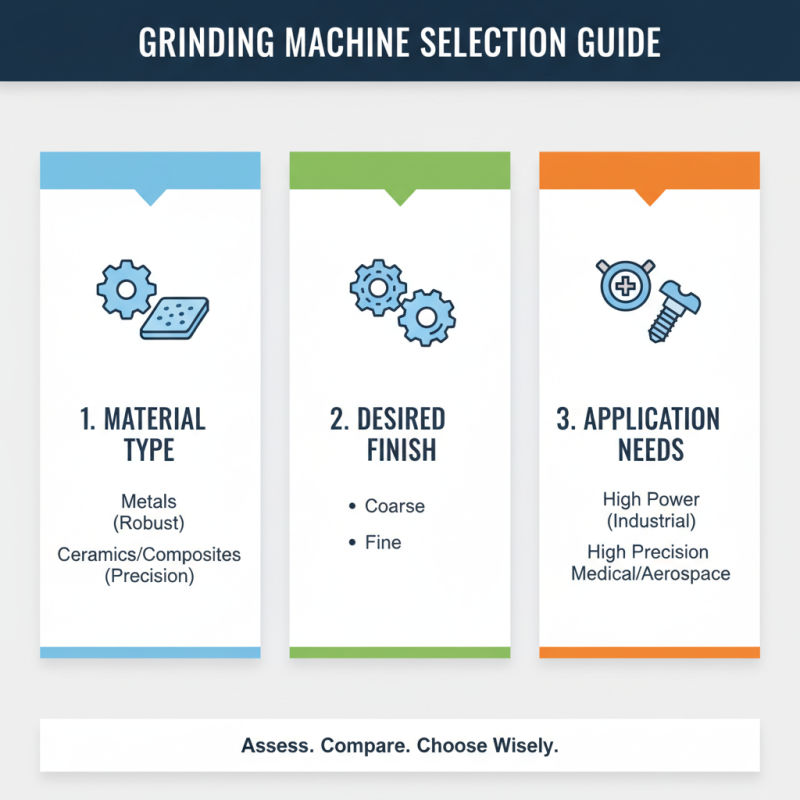
When selecting a grinding machine, it’s essential to assess your specific needs. Different applications require varying levels of precision and power. For instance, if you're grinding metals, you'll need a machine with robust capabilities. Consider the material type and desired finish. Are you looking for a coarse or fine finish? This will guide your choice.
Additionally, think about operational efficiency. Many machines offer versatile functions, but they may have limitations. Research common uses in your industry. Understand the volume of work you anticipate. If you plan for high output, prioritize durability and speed. It's crucial to match the machine’s features with your expectations.
Always reflect on your past experiences with similar equipment. Were there frequent breakdowns or inefficiencies? Such reflections can inform your choice. Avoid the trap of selecting a machine solely based on price or brand reputation. A reliable machine must meet your practical requirements, ensuring it delivers consistent results over time.
Evaluating Machine Specifications and Features for Optimal Performance
Choosing the right grinding machine is crucial for achieving optimal performance.
Evaluating machine specifications can be complex. Focus on your production needs. Reports indicate that
75% of users prioritize power and torque.
Adequate power ensures efficient operation in tough materials.
Consider the type of grinding required. For instance, surface grinding versus cylindrical grinding
demands different features. A 2022 market analysis revealed that
65% of operators prefer machines with variable speed options.
This flexibility allows users to adapt to various tasks.
Control features also impact usability. Ergonomic controls
can enhance productivity. However, many machines still lack intuitive controls.
Feedback from industry users points out that many operators
struggle with overly complicated interfaces. More straightforward machines
often lead to better performance and fewer mistakes.
Assess these factors carefully to find an ideal match for your requirements.
Budgeting for Your Grinding Machine Purchase: Costs and Considerations
When budgeting for a grinding machine, various costs come into play. Start with the initial purchase price. This can vary widely based on features and capabilities. Do some research on what’s available and focus on your specific needs. Think about whether you require advanced options or basic functionality.
Don’t forget the ongoing costs. Maintenance is crucial for longevity. Depending on the machine, these expenses can add up. Also consider the cost of replacement parts. These are often overlooked but can be significant over time. Budget accordingly to avoid surprises later.
Another aspect is the energy consumption. High-performance machines can be power-hungry. Factor in energy costs to assess the long-term budget impact. Reflection is key in this process. Ask yourself if you’re investing wisely or merely chasing trends. A thoughtful approach can lead to better decisions for your grinding needs.