How to Choose the Best Stainless Steel Deburring Machine for Your Needs?
In the world of manufacturing, selecting the right equipment is crucial. The choice of a Stainless Steel Deburring Machine can greatly impact production quality. Expert Richard Palmer, a seasoned technician in metalworking, once said, “Choosing the right deburring machine is more than just a purchase; it’s an investment in quality.” His words remind us that careful consideration is essential.
When exploring options, understanding your specific needs is vital. Different projects require different solutions. Factors like machine size, deburring methods, and budget must be evaluated. The market offers many models. Each promises efficiency and precision, yet not all will meet your expectations.
Reflecting on past selections often reveals blind spots. Did the chosen machine deliver? Was it versatile enough for various tasks? Consider these questions as you navigate your choices. A Stainless Steel Deburring Machine should enhance your workflow and meet your quality standards. However, the journey to find the best option is often filled with uncertainties and challenges.
Factors to Consider When Selecting a Stainless Steel Deburring Machine
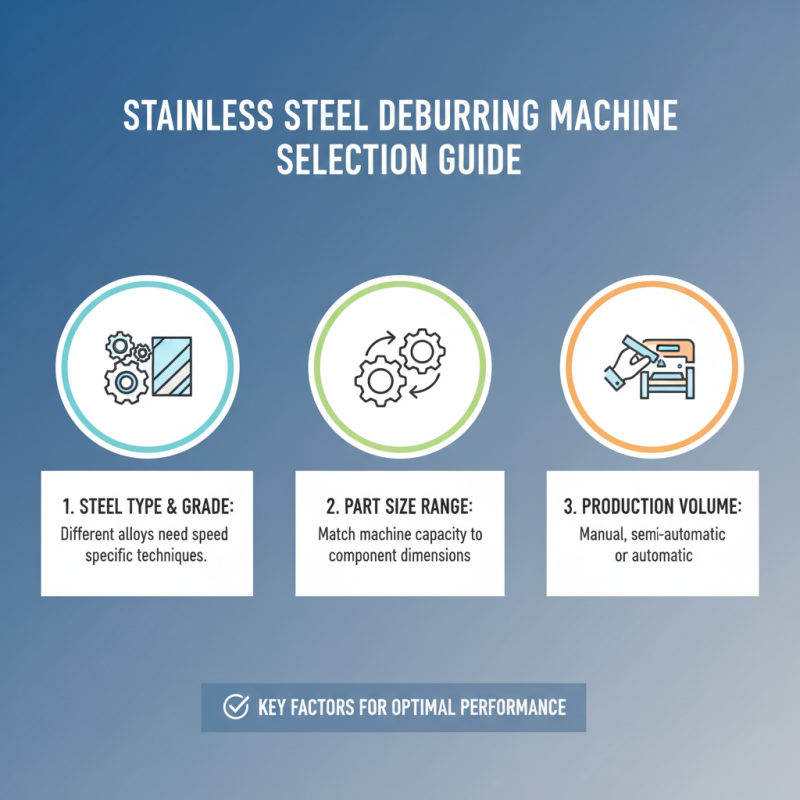
When selecting a stainless steel deburring machine, various factors play a critical role. First, assess the types of steel you work with. Different grades may require specific deburring techniques. Additionally, consider the size of the parts you need to process. A machine too small won't accommodate larger components. Conversely, a machine that is too large may be inefficient for smaller tasks.
Another important factor is the level of automation. Fully automatic machines can improve efficiency but may be more complex. Semi-automatic models require more hands-on operation. Evaluate the skill level of your team. A simple machine could minimize errors, especially if the operators are inexperienced.
Pay attention to the machine's maintenance needs. Some models require regular servicing and parts replacement. This can incur additional costs. Keep an eye on energy consumption as well, especially if you run the machine for long hours. High energy usage can lead to rising operational costs. Balancing features with realistic needs is essential for making the right choice.
Types of Stainless Steel Deburring Machines Available on the Market
When selecting a stainless steel deburring machine, understanding the types available is crucial. Deburring machines can vary significantly in function and mechanism. The most common types include vibratory deburring machines and centrifugal barrel tumblers. Vibratory machines are popular for handling large volumes efficiently. They use a combination of abrasive media and vibrations to smooth the edges of stainless steel parts.
Centrifugal barrel tumblers, on the other hand, work by spinning parts in a barrel filled with media. This process allows for more aggressive deburring, but it may not be suitable for delicate components. Additionally, there are manual options for smaller operations. These require more hands-on labor but can be cost-effective for limited needs. When considering which machine to choose, think about your specific requirements and the materials you often work with.
Understanding Your Material and Application Requirements
When selecting a stainless steel deburring machine, understanding your material and application requirements is crucial. Different types of stainless steel can have varying hardness levels. This can significantly affect the deburring process. You'll need to consider factors like the gauge of the material and the specific type of burrs you encounter.
You might find that some machines struggle with thicker materials. They may leave behind residue or create new burrs. Choosing a machine that matches your specific material can alleviate these issues. It's essential to recognize the limitations of a machine. Not every model can handle all thicknesses or shapes efficiently. Checking specifications before making a decision is vital.
Also, the intended application matters greatly. Are you working on small parts or larger fabrications? Each application might require different deburring techniques. Testing machines with sample pieces can help determine their effectiveness. Regular assessment of your process can reveal areas that need improvement. Don't hesitate to adjust your choice based on real-world performance.
Evaluating Machine Features and Specifications
When selecting a stainless steel deburring machine, focus on key machine features and specifications. Consider the machine’s size and weight, as these can impact its portability and ease of use. A compact design might fit into small workshops, but larger machines may offer higher capacity and more robust performance. Evaluate how each machine handles different material thicknesses, as this affects efficiency.
Pay attention to the speed settings and power options. Adjustable speed can provide versatility for various materials and tasks. Additionally, check the safety features. Does it have emergency shut-off options? Effective dust collection is vital for maintaining a clean workspace. Some machines may fall short in this area, leading to more cleanup time.
Lastly, consider user-friendliness. An intuitive control panel can simplify machine operation, especially for beginners. Inspect reviews or user feedback, as real-world experiences can highlight flaws or advantages. A machine may look perfect on paper but might have hidden issues. Aim to gather as much information as possible to make a well-informed choice.
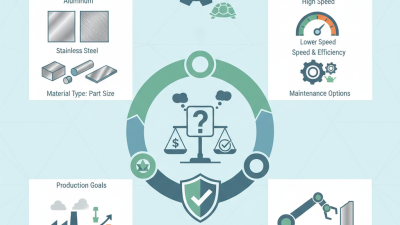
Comparison of Key Features in Stainless Steel Deburring Machines
Budget Considerations for Purchasing a Deburring Machine
When considering a stainless steel deburring machine, budget plays a crucial role. The average price for a reliable machine ranges from $3,000 to $15,000, depending on features and capacity. A recent industry report noted that companies allocate approximately 5-10% of their total operational budget to equipment like deburring machines. This figure highlights the importance of thoughtful financial planning.
Investing in a deburring machine should align with your operational needs. It’s essential to evaluate the long-term return on investment. While acknowledging that lower-priced models may be appealing, they often lack efficiency. Higher-end machines often yield better precision and durability, ultimately saving costs on repairs and replacements.
Tips: Always assess your production volume. Consider how many parts you handle daily. Smaller operations might benefit from entry-level machines. However, high-demand facilities should consider more robust options. Don't forget to factor in maintenance costs. While initial prices matter, upkeep can add to your overall expenses. Balancing these details is key to making a sound decision.