How to Choose the Best Flat Sheet Polishing Machine for Your Needs?
Choosing the right Flat Sheet Polishing Machine can be challenging. These machines are vital in industries like manufacturing and automotive. According to a recent report by MarketsandMarkets, the global polishing machine market is expected to reach $1.7 billion by 2025. This growth reflects increasing demand for precision and quality finishes across various sectors.
When selecting a Flat Sheet Polishing Machine, consider its specifications closely. Different models offer various features such as speed, power, and polishing techniques. A machine that works for one application might not suit another. For example, a lightweight model may struggle with thicker materials, leading to inconsistent finishes.
Reflecting on user experiences, some machines fall short of expectations. Machines may encounter performance issues, or require frequent maintenance. It's crucial to review customer feedback and expert opinions. Investing in the wrong machine can disrupt production and result in additional costs. Thus, understanding your specific needs is key to making an informed choice.
Understanding Flat Sheet Polishing Machines: A Comprehensive Overview
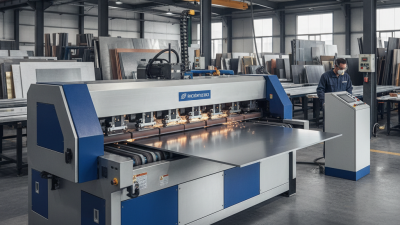
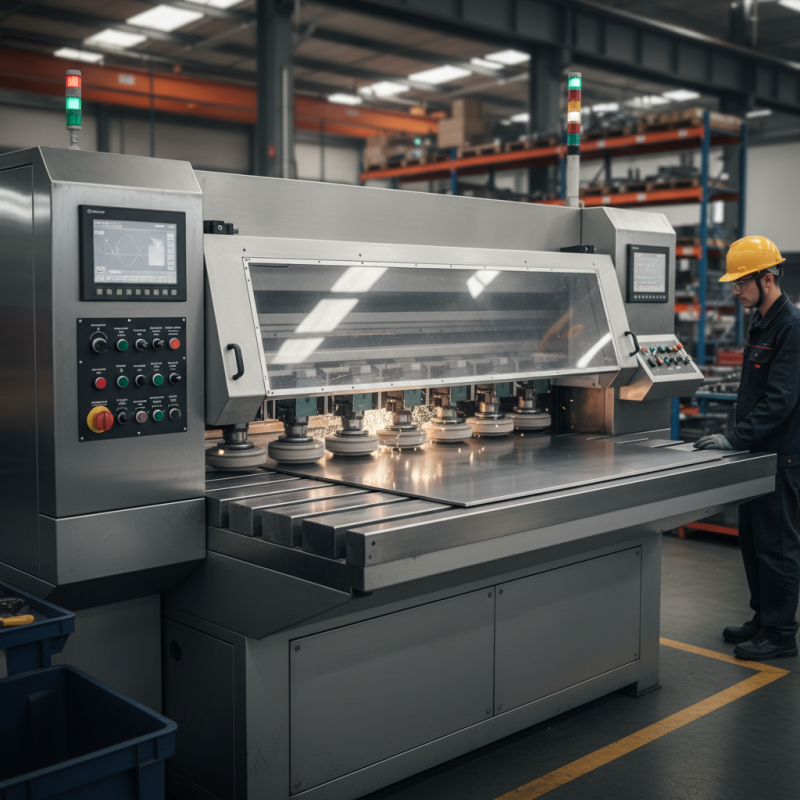
Flat sheet polishing machines are vital in various industries. They enhance the surface finish of materials, especially metal and wood. Understanding their mechanics is crucial for optimal use. Each machine features specific components: a motor, polishing pads, and varied speed settings. Choosing the right configuration is not always straightforward. Operators might struggle with balancing speed and pressure. This can lead to uneven finishes or material damage.
There are different types of polishing machines available. Some are designed for large-scale production, while others suit smaller workshops. Assessing your needs is critical. For instance, a heavy-duty machine may not be necessary for occasional use. Observing how machines perform in real-world scenarios is sometimes overlooked. A brief demonstration can reveal potential flaws.
Users often have mixed experiences with these machines. While one may excel at producing a shiny surface, it might be difficult to manage. Learning the nuances takes time and experience. Training for operators can improve outcomes but may not be extensively implemented. Reflecting on user difficulties can guide better machine selection and practices moving forward.
Key Features to Consider When Selecting a Polishing Machine
When selecting a flat sheet polishing machine, key features must be prioritized. Look for motor power. It impacts the efficiency and performance. A powerful motor can handle various materials with ease. Consider the machine's speed settings too. Adjustable speed allows you to polish different surfaces effectively.
The build quality is important. Machines should be sturdy and durable. If you're thinking long-term, invest in one that can withstand heavy usage. Pay attention to the ease of use. Controls should be user-friendly. Complex controls can lead to mistakes and frustration.
Tip: Always check reviews before buying. Users often share insights about reliability and performance.
Size and portability matter as well. A compact, lighter machine is easier to move around. This is especially useful for small workshops. Remember, not every feature will suit your needs perfectly. Reflect on what aspects are non-negotiable for you.
Tip: Consider testing the machine, if possible. A hands-on approach can reveal issues not mentioned online.
How to Choose the Best Flat Sheet Polishing Machine for Your Needs?
| Feature |
Description |
Importance |
| Motor Power |
Higher motor power allows for faster polishing and efficiency. |
High |
| Polishing Speed |
Adjustable speeds ensure suitability for different materials and finishes. |
Medium |
| Size Compatibility |
Check the dimensions to ensure it accommodates your flat sheets. |
High |
| Ease of Use |
User-friendly controls and setup save time and improve productivity. |
Medium |
| Durability |
High-quality materials ensure long-lasting operation and less maintenance. |
High |
| Price |
Consider your budget while also weighing the features provided. |
Medium |
| Customer Support |
Reliable customer support can help in resolving any issues quickly. |
Medium |
Assessing Your Material and Production Requirements
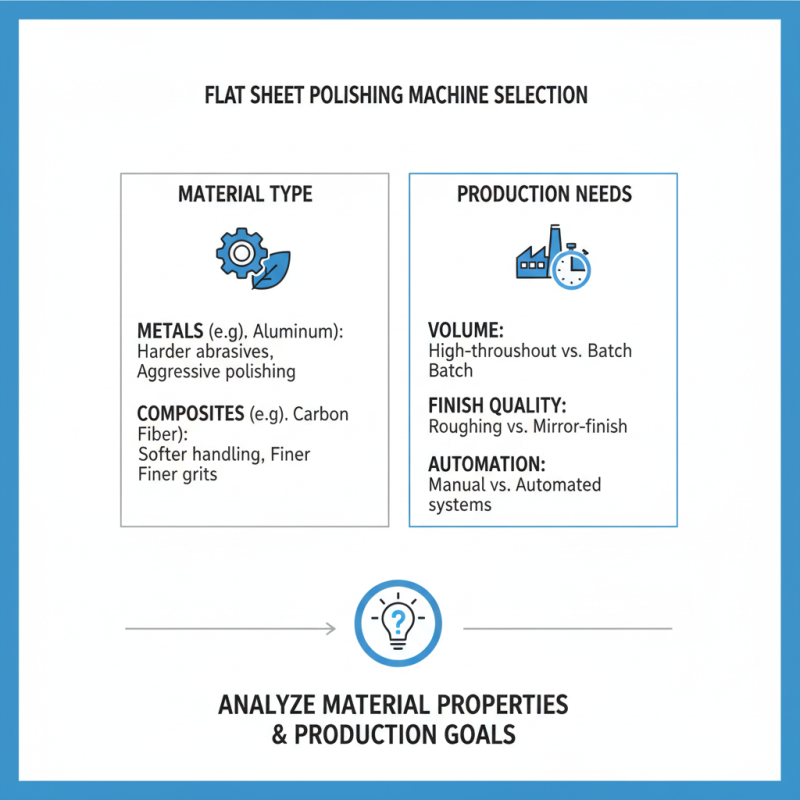
When selecting a flat sheet polishing machine, assessing your material and production needs is crucial. Different materials require unique polishing techniques. For instance, metals such as aluminum might need specific abrasives to achieve a smooth finish. Meanwhile, composite materials often require gentler handling. Understanding the properties of your materials can significantly impact the polishing results.
Consider your production volume. Are you working on small batches or large-scale production? If high volume is your goal, choose a machine that can handle speed and efficiency. In contrast, if working with custom designs or smaller orders, flexibility might be more valuable. Look for adjustable settings.
Tips: Always evaluate the machine’s features before making a choice. Research if it allows easy maintenance. A machine that’s hard to clean can lead to downtime. Check how frequently you need to replace parts or abrasives. This can affect your long-term costs.
Finally, remember that no machine is perfect. Each may have limitations, and adjusting your expectations can lead to better choices. Assessing your unique requirements thoroughly will help you find the right fit for your polishing needs.
Evaluating Brands and Models: Reliability and Performance Criteria
When selecting a flat sheet polishing machine, assessing brands and models is crucial. Reliability plays a significant role in machine performance. The right machine can enhance efficiency and product quality. A 2022 industry report showed that 75% of operators experienced better output with reliable machines. Reliability means fewer malfunctions and lower maintenance costs. Continuous operation is essential in a competitive market.
Performance criteria encompass factors like speed, versatility, and finish quality. Machines with higher RPMs can polish surfaces more quickly. A study indicated that 60% of users preferred machines offering adjustable speed settings. This feature provides flexibility for varying material types. Additionally, the finish quality is paramount. Users often report dissatisfaction with uneven surfaces. Customers emphasize the need for consistent results over flashy features.
Reflecting on user feedback is essential. Some machines may excel in one area yet fall short in another. It's common for users to encounter unexpected challenges. The ideal machine meets specific needs while allowing for future adjustments. Research and comparisons can aid in making informed choices. Operators should consider both current and future production demands.
Flat Sheet Polishing Machine Performance Comparison
Budgeting for Your Flat Sheet Polishing Machine Purchase
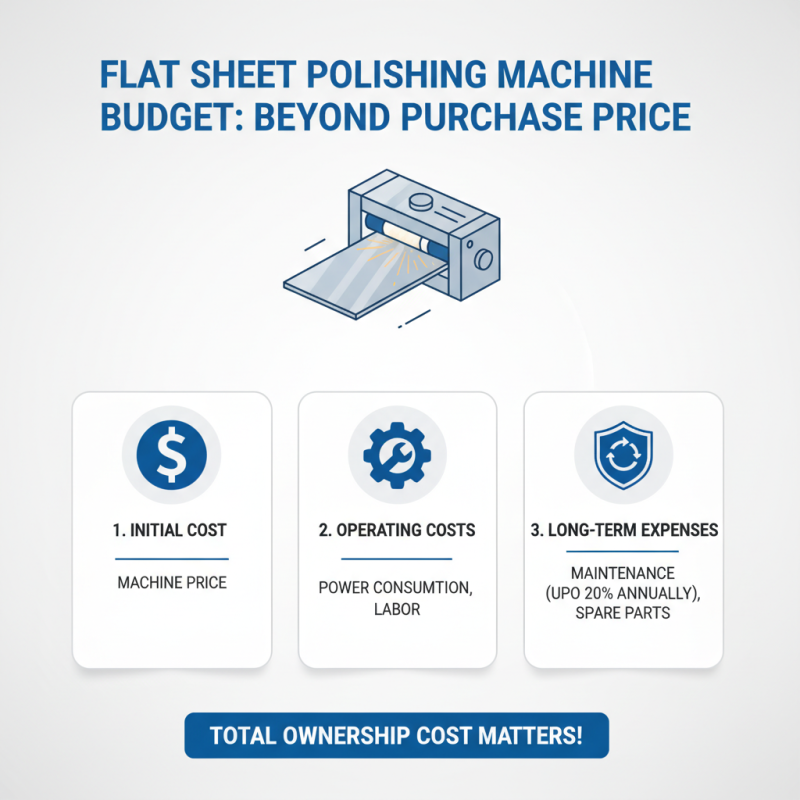
When budgeting for a flat sheet polishing machine, consider several key factors. The initial purchase price is just one aspect. Additional costs may include maintenance, which can vary significantly across models. According to industry reports, maintenance costs can reach up to 20% of the machine’s price annually. It’s essential to factor these expenses into your overall budget.
Moreover, think about the energy consumption of the machine. Efficient models can save a substantial amount on electricity bills. Research indicates that energy-efficient machines use about 30% less power than their less efficient counterparts. This difference can significantly impact long-term operational costs.
You may also want to contemplate financing options. Many suppliers offer leasing plans, which can ease the upfront burden. However, leasing often leads to higher total costs over time. Cutting corners on budget might save money now but can lead to larger, unexpected expenses later. Balancing initial costs with long-term benefits is crucial for an informed decision.