How to Choose the Right Surface Deburring Machine for Your Needs?
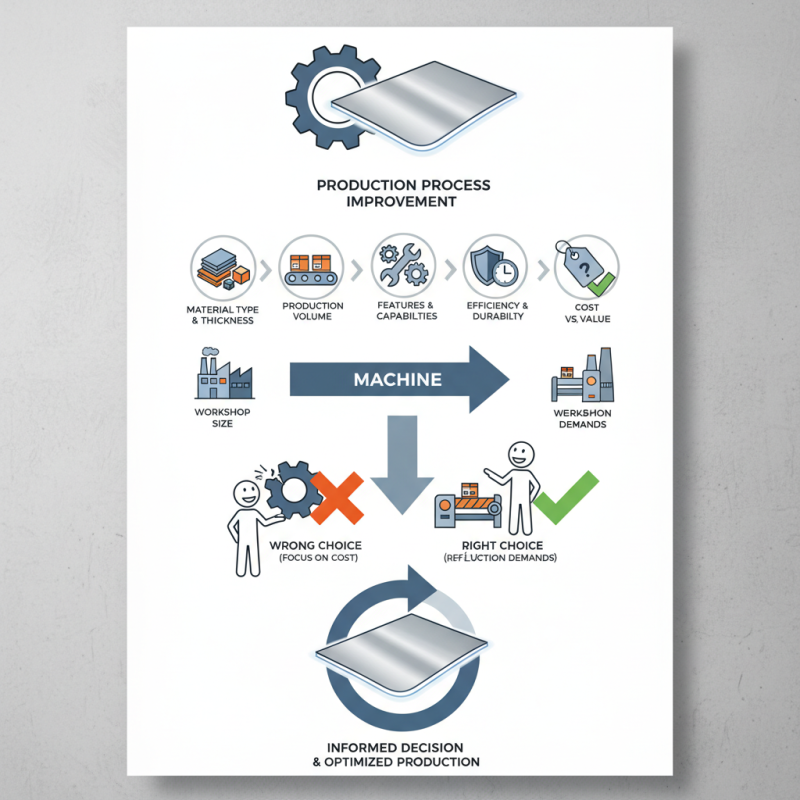
Choosing the right surface deburring machine can significantly impact your production process. It is essential to consider your specific needs to make informed decisions. The market offers a variety of machines with different features and capabilities.
A surface deburring machine removes sharp edges and improves the surface finish of various materials. Factors such as material type, thickness, and production volume are crucial in the selection process. For example, a small workshop may not need the same machine as a large manufacturing facility.
However, many users overlook critical details. They often focus too much on cost, missing out on efficiency and durability. Without a proper understanding, one might invest in a machine that does not meet their needs. Reflecting on your production demands can guide you toward the right choice.
Understanding Surface Deburring: Definition and Importance
Surface deburring is a crucial process in manufacturing. It involves the removal of sharp edges and burrs that can form during machining. According to a report by the International Journal of Advanced Manufacturing Technology, improper deburring can lead to product defects in up to 30% of cases. Maintaining the integrity of the product is vital for safety and performance.
The importance of surface deburring extends beyond aesthetics. It affects the longevity of the components. For example, parts with sharp edges are more prone to failure under stress. According to a study from the American Society of Mechanical Engineers, effective deburring can improve fatigue resistance by up to 50%. This suggests that investing in the right deburring machine can enhance the overall quality and durability of manufactured products.
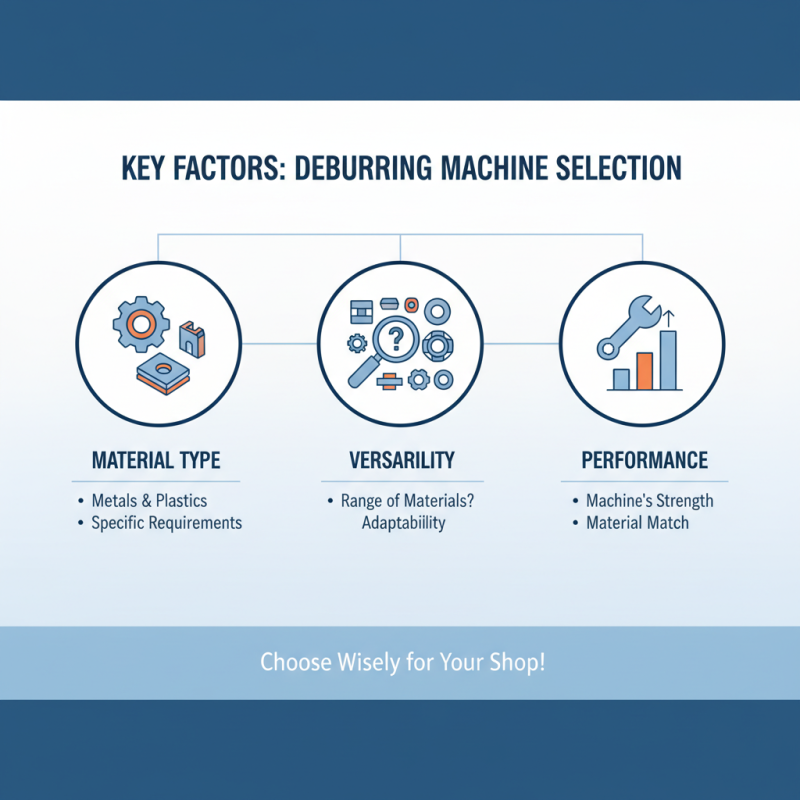
Many manufacturers overlook the nuances of deburring. Choosing the right machine is not merely a matter of cost. It's essential to consider the material types and part geometries. Some machines perform well with metals, while others excel with plastics. There is no one-size-fits-all solution. Careful evaluation of needs can prevent future complications and ensure better production processes. Understanding these factors fosters more informed decisions in equipment selection.
Types of Surface Deburring Machines: An Overview of Technologies
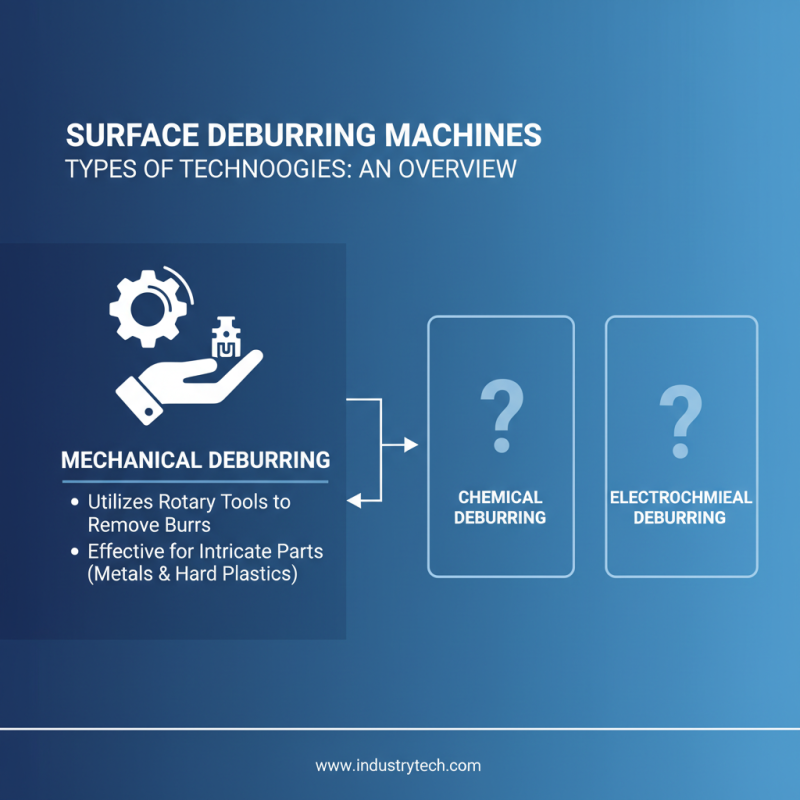
When selecting a surface deburring machine, understanding the types available is crucial. Several technologies exist in the market. For instance, mechanical deburring utilizes rotary tools to remove burrs from surfaces. This method is highly effective for intricate parts. It works well for metals and hard plastics.
Another option is thermal deburring. This method employs heat to remove burrs. The process creates a combustion reaction, effectively cleaning the surface without damaging the part. However, it is best for simpler shapes. The setup requires careful calibration to avoid issues.
Chemical deburring is less common but noteworthy. This technique uses acids or other chemicals to dissolve unwanted material. It can achieve precision but requires strict safety measures. Users need to be vigilant about the chemical reactions involved. When choosing the right machine, consider the exact needs of your project. Take your time to understand each method before making a decision.
Comparative Analysis of Cost-Efficiency and Performance Metrics
Choosing the right surface deburring machine is crucial for efficiency. A comparative analysis of cost-efficiency and performance metrics reveals important factors. Look at the initial cost versus long-term operational expenses. Some machines may have a lower purchase price but higher maintenance costs.
Consider the type of materials you'll be working with. Some machines excel in metal, while others perform better on plastics or composites. Performance metrics like speed, consistency, and precision matter. A machine that handles a variety of materials could save you money in the long run.
**Tip:** Always test machines before buying. See how they handle your specific parts.
Another aspect to consider is energy consumption. A high-performance machine may use more power but reduce processing time. Weigh these aspects carefully. Balance immediate cost against production efficiency.
**Tip:** Keep track of your production needs. Analyze how often your machine will be in use versus downtime.
Making a well-informed choice involves weighing both performance and costs. Explore options, read reviews, and understand the long-term implications of your choice. Your decision could significantly impact your operations.
Cost-Efficiency and Performance Metrics of Surface Deburring Machines
Industry Standards and Best Practices for Surface Deburring Selection
When selecting a surface deburring machine, understanding industry standards is crucial. Efficient deburring removes sharp edges effectively. The right machine can enhance productivity and ensure part quality. Companies often overlook the importance of compatibility with existing processes. It’s vital to assess your current workflow before making a decision.
Best practices suggest conducting a thorough evaluation of machine specifications. Features like speed, material compatibility, and process adaptability matter. Some organizations may ignore these details, leading to inefficiency. Conducting pilot tests with different machines can provide valuable insights. Proper training for operators also helps improve outcomes, yet it is often neglected.
Additionally, consider maintenance needs and ease of operation. Some machines require frequent upkeep, which can lead to downtime. Regular reviews of machine performance ensure they meet industry standards over time. Investing in proper equipment pays off, but complacency can lead to regret. A thoughtful approach to selection ultimately strengthens both production and quality.
How to Choose the Right Surface Deburring Machine for Your Needs?
| Machine Type |
Deburring Method |
Material Compatibility |
Production Capacity (units/hour) |
Energy Consumption (kW) |
Approximate Cost ($) |
| Rotary Deburring Machine |
Mechanical |
Metal, Plastic |
100 - 300 |
5-10 |
5,000 - 15,000 |
| Belt Deburring Machine |
Abrasive Belt |
Metal, Wood |
50 - 150 |
2-8 |
4,000 - 12,000 |
| Ultrasonic Deburring Machine |
Ultrasonic Waves |
Metal, Composite |
10 - 50 |
1-3 |
8,000 - 20,000 |
| Vibratory Deburring Machine |
Vibratory Finishing |
Metal, Plastic |
200 - 600 |
1-2 |
3,000 - 10,000 |
| Laser Deburring Machine |
Laser Technology |
Metal Only |
30 - 100 |
10-20 |
20,000 - 100,000 |