How to Choose the Right Edge Deburring Machine for Your Needs?
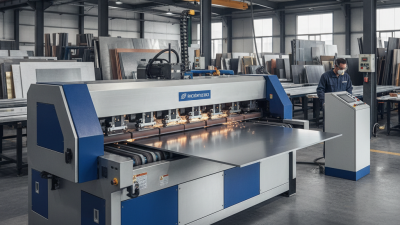
Choosing the right Edge Deburring Machine can significantly impact your production process. This machine is essential for removing sharp edges from metal parts. Many factors must be considered to make an informed decision.
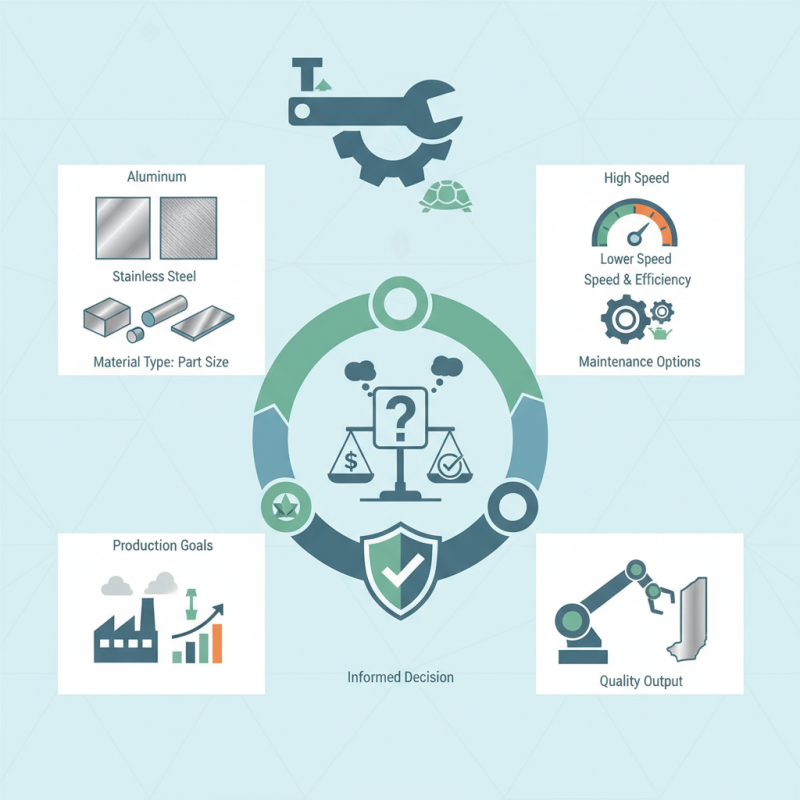
First, understand the types of materials you will work with. Different materials require different deburring methods. For example, aluminum and stainless steel have unique challenges. The size of the parts is also crucial. Large parts may need a more powerful machine.
Consider the machine's speed and efficiency. A high-speed model might produce better results but can be more difficult to control. Moreover, maintenance options are often overlooked. A machine that is hard to maintain could lead to additional costs and downtime. Reflect on your specific needs; sometimes, the best option might not be the most expensive one. Make sure your choice aligns with your production goals and capabilities.
Understanding Edge Deburring Machines: Types and Functions
Edge deburring machines are essential for finishing processes. They help remove sharp edges from materials like metal and plastic. Various types exist, each serving different purposes. Understanding these types can significantly enhance your production quality.
Some common types are manual, automatic, and semicircular machines. Manual machines require more human effort and time, while automatic models are quicker and more efficient. Semicircular machines are excellent for complex shapes. Choosing the right type depends on your specific needs and production volume.
Tip: Consider the material you will be working with. Softer materials may need lighter machines, while harder metals require robust options. Also, assess the level of automation you desire. This impacts efficiency and labor costs significantly.
A common mistake is not accounting for the space and power requirements of these machines. Measure your workshop space first. It’s crucial to ensure that the machine fits and operates effectively. Don’t underestimate this aspect, as it can lead to operational hiccups.
Tip: Always review maintenance needs before making a purchase. Some machines require frequent upkeep, which can become a burden. Balancing time and costs for this aspect is essential for smooth operations.
Key Factors to Consider When Choosing an Edge Deburring Machine
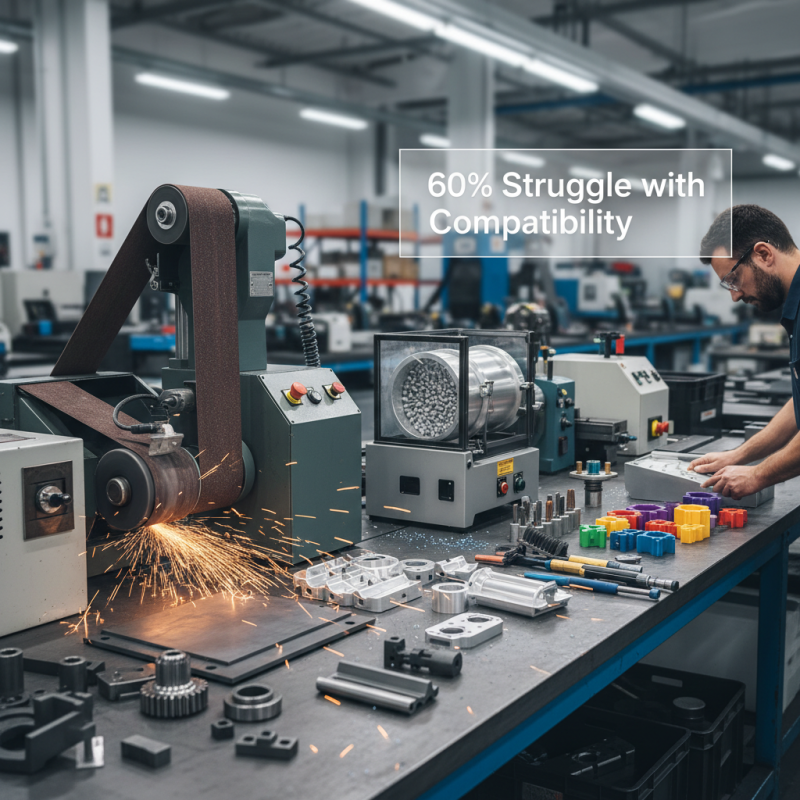
When choosing the right edge deburring machine, several critical factors come into play. One key aspect is the material type. For instance, steel, aluminum, or plastic requires different deburring techniques. A reported 60% of manufacturers struggle with material-specific deburring. This indicates the importance of compatibility in your machine selection.
Another factor to consider is the machine's capacity and speed. According to industry reports, machines with adjustable speeds can improve efficiency by up to 40%. Flexibility in speed settings allows manufacturers to tailor the process for various edge requirements. A machine with a fixed speed may not handle all tasks effectively, leading to inefficiencies.
Automation is also crucial in modern manufacturing environments. About 55% of manufacturers are moving towards automated solutions. While automation can enhance precision, it can also introduce complications. Some machines may not integrate well with existing systems. This mismatch can lead to downtime and increased costs. Careful evaluation of automation features is essential for long-term success.
Evaluating Your Material and Production Needs for Optimal Selection
Choosing the right edge deburring machine starts with assessing your material and production needs. Consider the type of materials you work with. Different materials, such as metals or plastics, require specific deburring techniques. A study by the Manufacturing Institute shows that about 40% of production errors result from improper processing of materials.
Production volume is another critical factor. High-volume production lines may benefit from automated machines. They can handle continuous operations and save time. In contrast, smaller operations may prioritize manual machines for flexibility. Data from industry reports indicate that manual deburring can be more cost-effective for lower quantities, despite its slower speed.
Think about the thickness of the materials as well. Some machines excel with thin sheets while others are better for thicker parts. Review your part specifications carefully; neglecting this could lead to investing in the wrong equipment. A miscalculation here can disrupt workflow and impact overall quality. Always reflect on the long-term implications of your choice.
How to Choose the Right Edge Deburring Machine for Your Needs?
| Material Type |
Thickness (mm) |
Machine Type |
Production Rate (pieces/hour) |
Deburring Method |
| Aluminum |
3 |
Manual Deburring |
50 |
Mechanical |
| Stainless Steel |
5 |
Automated |
100 |
Abrasive |
| Copper |
2 |
Semi-Automatic |
70 |
Rotating Brush |
| Plastic |
1 |
Manual Deburring |
30 |
Flame |
| Carbon Steel |
6 |
Automated |
120 |
Mechanical |
Comparing Costs and Features: Finding the Best Value in Machines
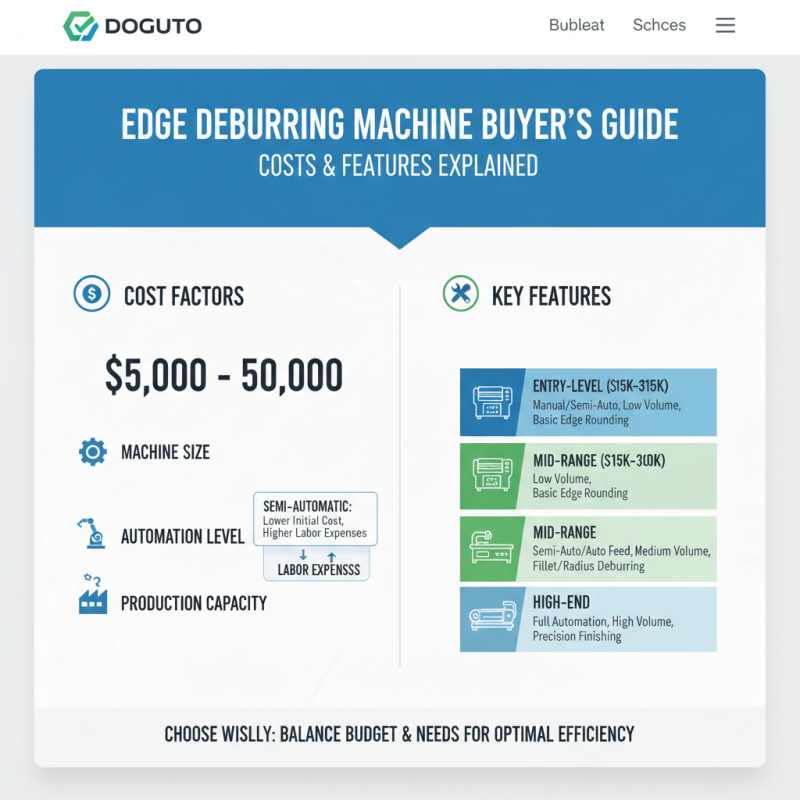
When selecting an edge deburring machine, understanding costs and features is vital. The market offers various options, ranging in price from $5,000 to $50,000. This broad range can be confusing. Factors influencing costs include machine size, automation level, and production capacity. A semi-automatic model may cost less initially but could lead to higher labor expenses over time.
Feature comparison is essential. Machines with advanced features tend to be more efficient. For instance, a machine that reduces cycle time by 30% can significantly boost productivity. According to a recent industry report, manufacturers can experience a 25% increase in output when using automated systems. However, these high-tech options may not be necessary for every operation.
It's crucial to assess your specific requirements. Evaluate the volume of parts and the complexity of the deburring tasks. While a higher upfront investment might seem daunting, the right machine can lead to long-term savings. Companies often overlook maintenance costs, which can accumulate. Investing in training for operators can also impact overall efficiency. Always reflect on how machine choice aligns with your production goals and long-term strategy.
Maintenance and Support: Ensuring Longevity of Your Selected Machine
Choosing the right edge deburring machine goes beyond just features and specifications. Maintenance and support play a crucial role in ensuring the longevity of your equipment. A well-maintained machine can operate effectively for years, while neglect can lead to costly downtime. Research indicates that regular maintenance can increase machinery lifespan by up to 30%. This statistic highlights the importance of an ongoing support plan.
Tips: Schedule regular maintenance checks. Create a streamlined process for inspections. Understand the common wear and tear of your specific machine. These actions can prevent small issues from becoming major problems.
Consider operator training as well. A knowledgeable operator can detect issues early and maximize productivity. Training should cover machine functions, diagnosis, and basic repairs. It can elevate operational efficiency and reduce repair costs. Industry reports suggest that companies that invest in operator training see a 15% decrease in maintenance issues.
Machine support doesn't end with purchase. Identify suppliers who offer excellent technical assistance. A response time of under two hours for service requests is ideal. Remember, even the best machines require support. Select a partner who prioritizes maintenance and repair. This ensures your machine remains a valuable asset in your operations.