How to Choose the Best Plate Sheet Deburring Machine?
When it comes to selecting the best Plate Sheet Deburring Machine, expertise is essential. John Doe, a leading expert in the manufacturing industry, once stated, "Choosing the right deburring machine can significantly enhance production quality." His insight underscores the importance of careful selection.
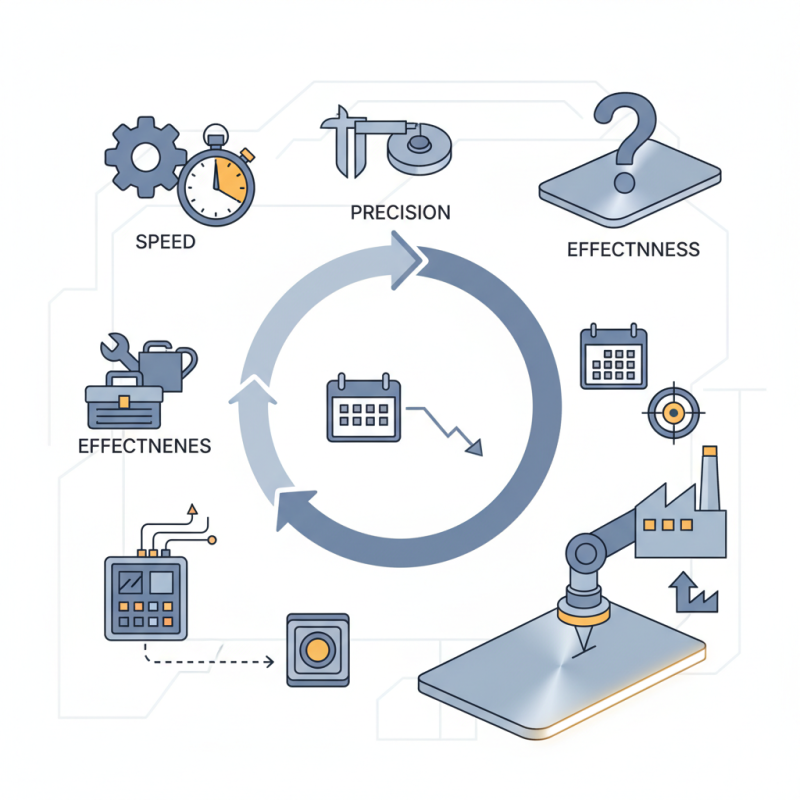
Understanding your specific needs is vital. Machines vary in speed, precision, and effectiveness. For example, some may excel in finishing metal edges, while others tackle different materials. Each choice has implications. Buyers often overlook maintenance requirements which can affect long-term performance.
Moreover, while some machines boast advanced features, they may come with complexity. More features don’t always equal better outcomes. Sometimes, a simpler machine fits the workflow more efficiently. Reflecting on these aspects can lead to better decision-making. Remember, the best Plate Sheet Deburring Machine aligns with your operational goals and quality standards.
Understanding Plate Sheet Deburring Machines
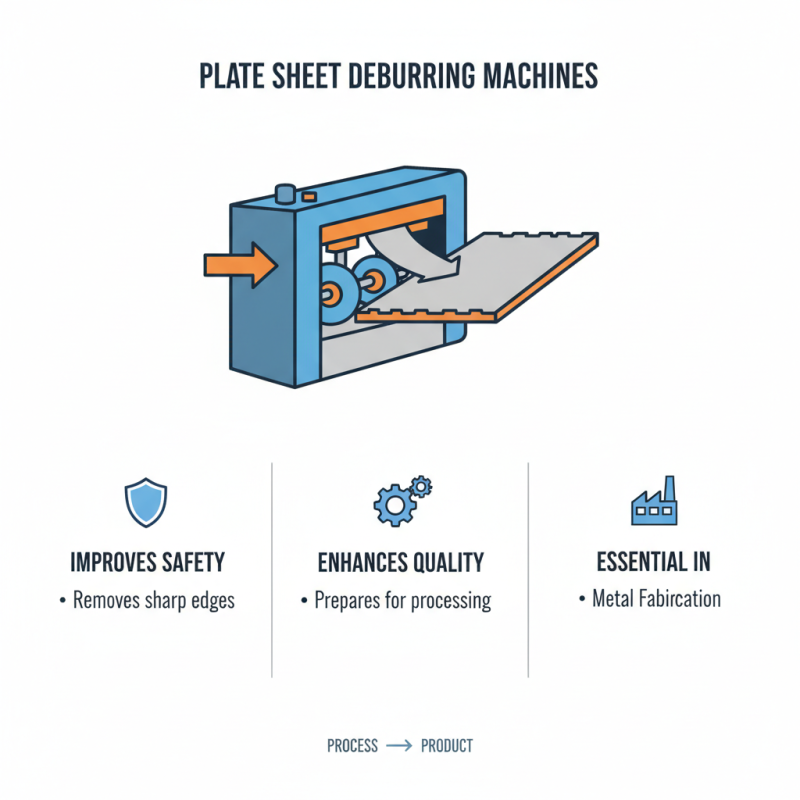
Understanding Plate Sheet Deburring Machines can be quite insightful. These machines are essential in metal fabrication. They remove sharp edges and burrs from plates and sheets. This process improves safety and prepares the products for further processing.
When choosing a deburring machine, consider its operation type. Some machines use brushes, while others rely on grinding wheels. Each method has distinct advantages. Brush machines are gentle yet effective for softer materials. Grinding wheels, on the other hand, may provide a more aggressive approach. Users often struggle with choosing which method fits their needs best.
Another aspect worth noting is machine size and capacity. Some workshops have limited space. A compact machine might be more suitable. However, it could limit the size of sheets processed. Finding a balance between space and functionality can be challenging. Evaluating production volume is vital. This consideration will determine the best fit for your operations.
Key Features to Consider When Selecting a Deburring Machine
Choosing the right plate sheet deburring machine can be challenging. Many features determine the machine’s efficiency and effectiveness. Start by considering the machine’s size. A larger work area may accommodate thicker materials. However, larger machines may also require more space in your workshop. Assess your available area before making a decision.
Next, look at the deburring method. Different machines use diverse techniques, such as sanding belts or brushes. Each method offers unique benefits and drawbacks. For example, sanding belts can be aggressive, while brushes provide a gentler finish. It’s crucial to evaluate these methods based on your specific material types and desired finish quality.
Tips: Always check for user reviews and testimonials. These insights can reveal common issues and strengths of the machine. If possible, see the machine in action before purchasing. Also, consider maintenance requirements. A machine that is hard to maintain may lead to downtime and frustration.
Comparing Manual vs. Automatic Deburring Options
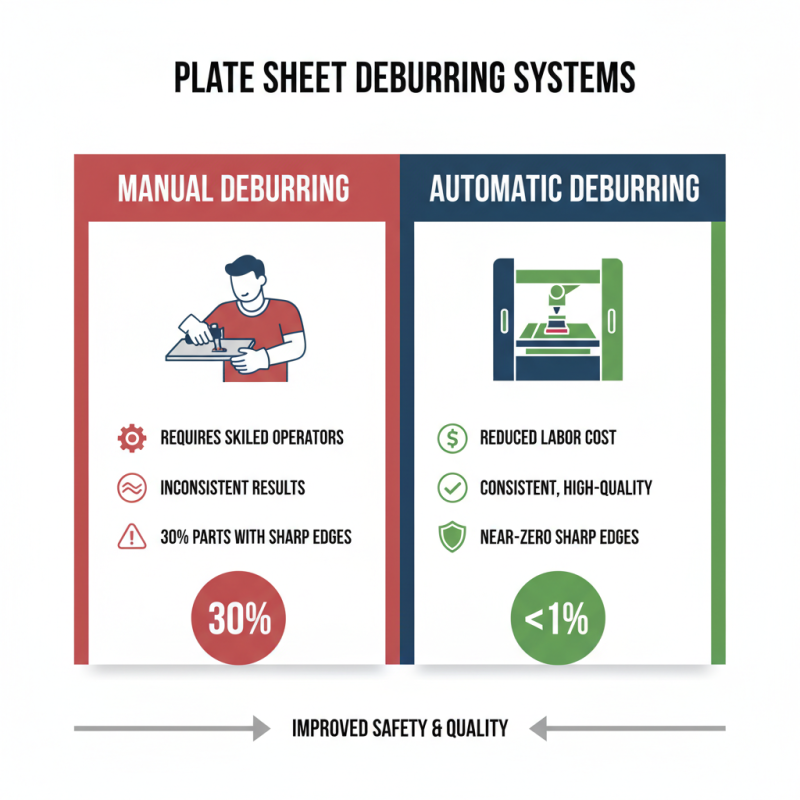
When selecting a plate sheet deburring machine, the choice between manual and automatic systems is crucial. Manual deburring requires skilled operators. This can lead to inconsistencies in the deburring process. Recent industry reports indicate that 30% of manufactured parts may still have sharp edges when using manual methods. This not only affects safety but also impacts product quality.
On the other hand, automatic deburring machines can handle large volumes with precision. They significantly reduce the risk of human error. According to a study by the Manufacturing Institute, automatic deburring can boost productivity by up to 50%. However, these machines come with a higher initial investment. This choice forces many companies to weigh capital costs against long-term benefits.
Yet, not all automatic machines guarantee perfect results. Some models have drawbacks like maintenance issues or slower processing times for complex shapes. Therefore, businesses must evaluate their specific needs. Understanding the part types and production scale will lead to a more informed decision. Choosing the right machine is not just about price; it's about achieving consistent quality and efficiency.
Evaluating Machine Performance and Efficiency Metrics
When choosing a plate sheet deburring machine, evaluating its performance and efficiency metrics is crucial. Key factors include processing speed, energy consumption, and the quality of deburring. According to a 2023 industry report, machines that operate at higher speeds can decrease production time by up to 30%. However, faster isn't always better. It's essential to balance speed with surface quality. An inefficient machine may produce more waste, leading to increased costs.
Energy efficiency is another critical metric. Machines with advanced technologies can cut energy use by 20% or more compared to older models. This reduction not only lowers operational costs but also decreases the environmental impact. However, purchasing a more efficient machine may involve a higher upfront investment. It's important to evaluate the long-term savings versus initial costs.
Quality control cannot be overlooked. Some machines may leave slight burrs despite high-speed processing. This oversight can lead to rework and additional labor costs. User feedback often highlights that maintaining a consistent quality is challenging. Machines need regular adjustments and operator training to meet industry standards. Addressing these concerns will enhance overall machine reliability and performance.
How to Choose the Best Plate Sheet Deburring Machine? - Evaluating Machine Performance and Efficiency Metrics
| Machine Model |
Power (kW) |
Max Processing Speed (m/min) |
Deburring Width (mm) |
Noise Level (dB) |
Energy Efficiency Rating |
| Model A |
5.5 |
20 |
100 |
75 |
A |
| Model B |
7.5 |
25 |
150 |
78 |
B |
| Model C |
4.0 |
15 |
80 |
72 |
A |
| Model D |
6.0 |
30 |
120 |
80 |
A+ |
Cost Factors and Budgeting for a Deburring Machine
When budgeting for a plate sheet deburring machine, several cost factors come into play. The initial price of equipment varies widely. Basic models may start around $10,000, while more advanced machines can exceed $50,000. According to a recent industry report, operational costs can significantly impact total expenses. Maintenance, power consumption, and replacement parts should be carefully calculated.
Choosing a machine involves considering long-term costs. A high-quality machine may have a higher upfront cost but lower maintenance. Downtime can also be costly. An unplanned breakdown could lead to production delays. Reports indicate that 30% of manufacturing costs can stem from inefficiencies related to maintenance. An effective budget bases itself on both immediate purchases and future operational expenses.
Additionally, training costs for staff cannot be overlooked. Skilled operators are essential for maximizing the efficiency of deburring machines. An investment in training could yield long-term savings. Investing in a quality machine without factoring in all associated costs could lead to regret. Evaluating total cost of ownership is vital in making the right choice.
Cost Factors for Plate Sheet Deburring Machines