How to Choose the Best Deburring Machine for Your Needs?
Choosing the right Deburring Machine is crucial for optimizing production efficiency and ensuring quality finishes in metalworking. Industry reports indicate that over 30% of manufacturing defects arise from improper deburring. This underscores the need for careful selection in an increasingly competitive landscape.
David Miller, a renowned expert in industrial machinery, states, "Selecting the right Deburring Machine can transform your operation." A well-chosen deburring solution can save time and reduce waste. It can enhance the safety of the workplace by minimizing sharp edges.
However, various factors complicate the selection process. Requirements can differ greatly depending on materials and production volume. Insight from market leaders shows that many companies still struggle with outdated deburring methods. An ideal analysis of your specific needs is essential to avoid costly mistakes. Ultimately, the right Deburring Machine not only improves product quality but also elevates overall efficiency.
Understanding Deburring Machines and Their Functions
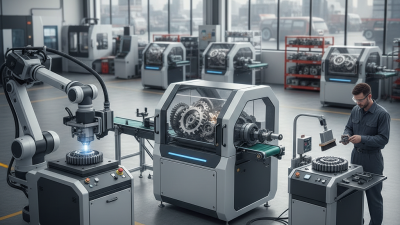
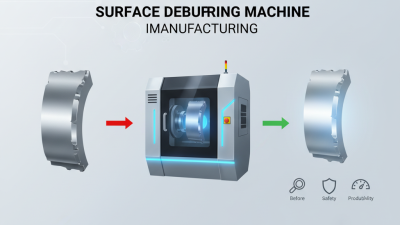
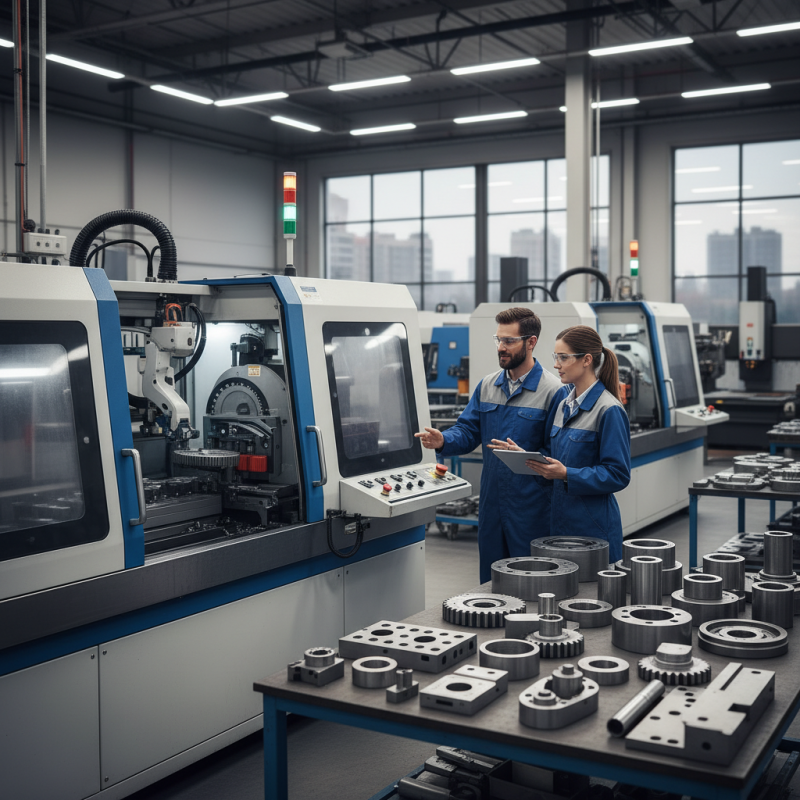
Deburring machines play a crucial role in various manufacturing processes. They help remove sharp edges and rough surfaces from metal, plastic, and other materials. Without proper deburring, products may have issues with safety, functionality, and appearance. According to a recent industry report, the global deburring machine market is expected to grow by 4.5% annually over the next five years. This growth highlights their importance in maintaining product quality.
These machines come in different types, including manual, semi-automatic, and fully automated models. Each type features unique functions that cater to specific manufacturing needs. For instance, CNC deburring machines excel at precision tasks. They offer consistency but may require technical training. In contrast, manual machines can be user-friendly, but they often lack efficiency and can lead to human error.
Choosing the right deburring machine involves understanding these functions and the specific demands of your production line. A company's production volume directly affects its choice. Newer companies might lean toward simpler machines, while larger manufacturers may invest in advanced models. Finding the right balance is essential. However, there is often a gap between machine capabilities and practical application. Regular assessments and adjustments are necessary to ensure effectiveness in deburring processes.
Types of Deburring Machines Available in the Market
When selecting a deburring machine, understanding the types available is crucial. You will find three main categories:
manual, semi-automatic, and fully automatic machines.
Manual machines require physical effort to operate. They are ideal for small jobs or hobbyists.
However, they can be tedious for larger projects.
Semi-automatic machines strike a balance.
They provide better efficiency than manual options but still require some operator input.
This type is perfect for medium-sized businesses. Fully automatic deburring machines operate independently.
They are best for large-scale manufacturing, offering high-speed processing. However, they might overwhelm smaller operations due to their complexity.
Tips: Consider your production volume before making a choice.
A manual machine may suffice for low output. For consistent and high volumes, think about semi-automatic or fully automatic options.
Make sure to assess the parts you will be deburring. Some machines specialize in specific shapes or materials.
Don't forget to reflect on your team's skill level. An overly complex machine may lead to frustration and inefficiency.
Choose wisely to meet both current and future needs.
Key Factors to Consider When Choosing a Deburring Machine
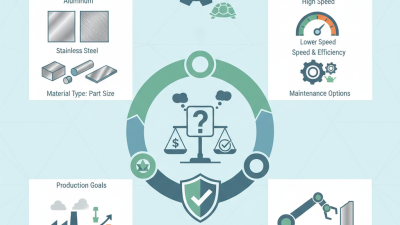
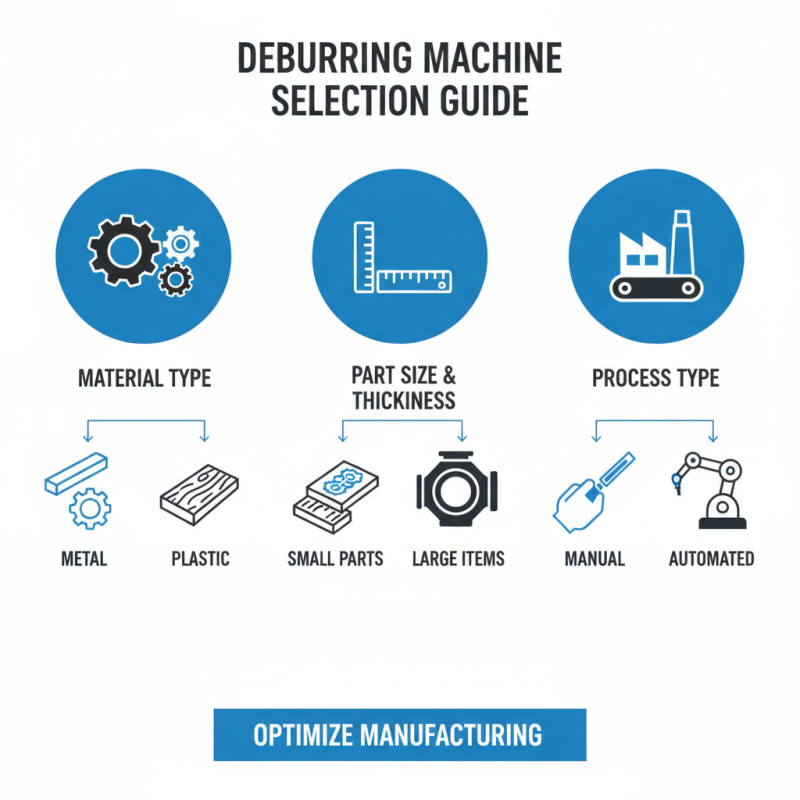
Choosing the right deburring machine can transform your manufacturing process. Many factors come into play. Consider the materials you work with. Metal, plastic, or wood? Each requires different tools. The thickness and size of the pieces also matter. A machine suited for small parts may not handle larger items effectively.
Speed and efficiency are crucial. You want a machine that can perform tasks quickly. However, faster isn't always better. Sometimes, slower machines offer a more precise finish. Think about your production volume. A high-output machine may initially seem appealing, but is it necessary? Reflect on your actual output needs.
Adjustability is another factor. Some machines come with customizable settings for different applications. This versatility can save time. Don't overlook the ease of maintenance. A machine that's hard to clean or fix can lead to downtime. It’s important to weigh convenience against capability. Ultimately, the best choice balances these factors with your specific requirements.
Evaluating Budget and Cost-Effectiveness of Deburring Machines
Choosing the right deburring machine involves careful consideration of budget and cost-effectiveness. According to industry reports, the average cost of a quality deburring machine ranges from $5,000 to $25,000. This wide range reflects different features and sizes. Businesses must analyze their production volume and the level of burr removal required to find a viable option.
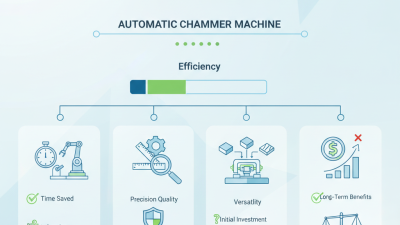
When evaluating cost-effectiveness, think about the long-term savings. Automated machines can significantly reduce labor costs. For example, reports indicate that switching to an automated deburring solution can save up to 30% in operational costs over five years. However, initial investments may be daunting. Not every business will see a quick return on that investment.
Another consideration is maintenance. Maintenance costs can cut into your budget. Some machines may require frequent parts replacement, leading some buyers to reconsider their choices. It's essential to factor in the total cost of ownership, including energy consumption and downtime. A cheaper machine might not deliver the best overall value if it frequently breaks down or is inefficient.
Maintenance and Support for Your Chosen Deburring Machine
Choosing the right deburring machine is crucial. But once you've made your selection, maintenance and support come into play. Regular maintenance ensures your machine operates smoothly. This can prevent costly downtime and extend the machine's life.
Keep an eye on the wear and tear of components. Replace parts when needed; don't wait for problems to arise. Lubrication is essential as well. A well-lubricated machine runs more efficiently. It also produces a better finish on materials.
Support is just as important. Ensure you have reliable access to technical support. Troubleshooting can sometimes be tricky. Having a knowledgeable team to turn to makes a huge difference. You may face challenges with setup or adjustments. This support can help you navigate those hurdles effectively.
Deburring Machine Popularity and Maintenance Preferences
This chart illustrates the popularity of different types of deburring machines based on market trends. The percentages reflect user preferences for high-speed, CNC, manual, wet, and automatic deburring machines, showcasing the diversity in choice and the significance of maintenance and support considerations in selecting the right machine.