How to Choose the Best Sheet Metal Sanding Machine for Your Needs?
Choosing the right Sheet Metal Sanding Machine can significantly impact production efficiency. According to industry expert John Smith, “The right machine can save time and improve quality.” In today’s competitive market, selecting the best equipment is crucial for businesses to thrive. Reports show that a well-chosen sanding machine can increase output by 30%.
Investing in a quality Sheet Metal Sanding Machine is not just about cost. It requires understanding different capabilities, especially for varying metal types. Buyers often overlook essential features, leading to subpar performance. Some machines may not meet specific project requirements, causing delays or additional costs.
Many businesses underestimate the importance of thorough research. A machine that suits one operation might not work for another. Every detail matters, from motor power to sanding belt type. Proper evaluation can prevent regrets later. The right decision can foster growth and maintain customer satisfaction over time.
Understanding Your Sanding Needs for Sheet Metal
Understanding your sanding needs for sheet metal is crucial to selecting the right machine. Different projects require various finishes. Reflect on the metal type you work with. Is it aluminum, steel, or something else? Each material may need a specific grit and technique. For instance, aluminum can require finer grits for a smooth finish.
Next, consider the scale of your work. Are you handling large sheets, or just small pieces? This impacts the machine size you may need. A compact model works for small jobs. Larger tasks might benefit from a heavier-duty machine. Think about your workspace, too. Is there enough room for maneuvering?
Evaluate your budget carefully. The most expensive machine may not suit your needs. You might need a machine that fits your workflow. Sometimes, cheaper options offer sufficient quality. Reflect on past projects; was the finish satisfactory? Learning from previous experiences is invaluable. Adjust your expectations based on what you truly need.
Types of Sheet Metal Sanding Machines Available
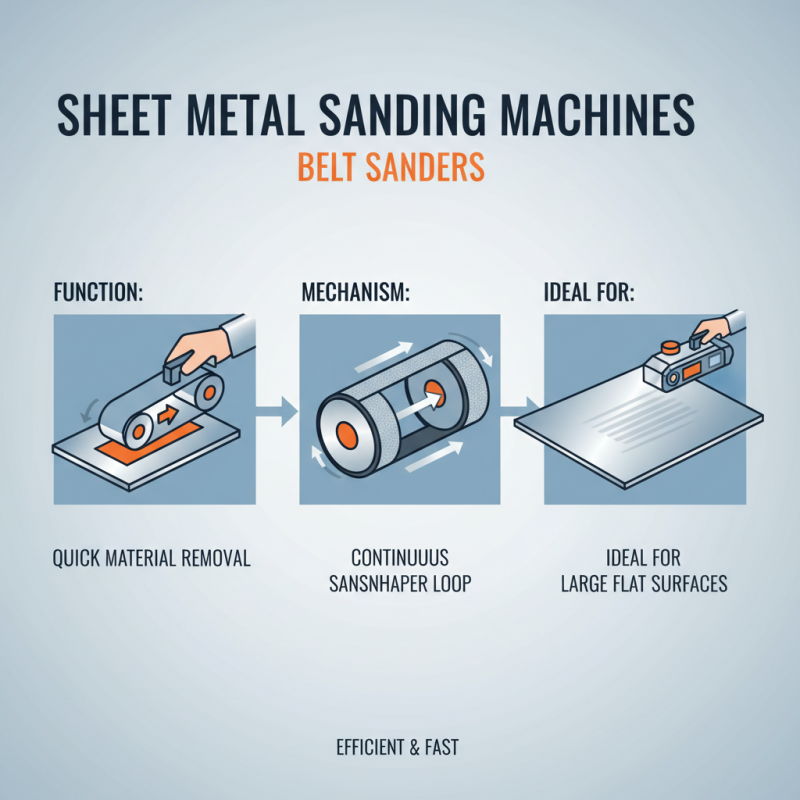
When it comes to sheet metal sanding machines, various types can meet different needs. Belt sanders are popular for their ability to quickly remove material. These machines use a continuous loop of sandpaper that wraps around two drums. They can cover large areas efficiently, making them great for flat surfaces.
Disk sanders offer a different approach. They use a rotating disk coated with abrasives. These machines excel at precise sanding, especially on edges and contours. However, they can be tricky for beginners. Precision comes with a learning curve that many must navigate.
Another option is the combination sander. This type merges the features of both belt and disk sanders. It allows for versatile sanding approaches in one machine. However, this versatility can sometimes overwhelm users. It's essential to consider your specific projects before making a choice. Think about your skill level and the types of metal you'll be working with. Making the right decision can lead to better results and enhance your craftsmanship.
Key Features to Look for in Sheet Metal Sanders
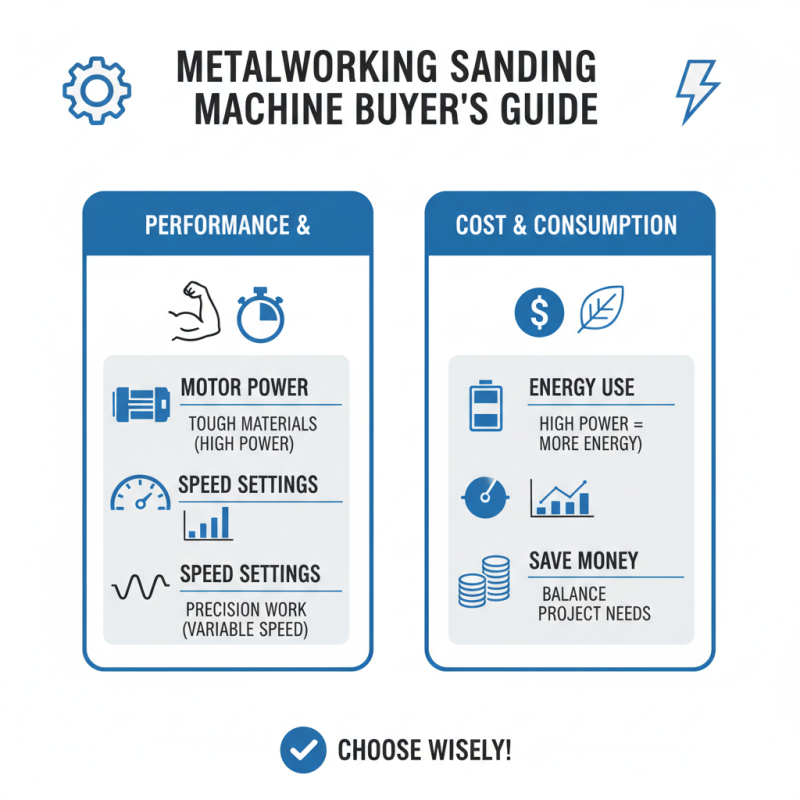
When choosing a sheet metal sanding machine, several key features should be front and center. The sanding power is crucial. A machine that offers variable speed control allows for better adaptation to different materials. This flexibility is important for achieving smooth finishes. Consider the sanding belt size as well. A wider belt can cover larger areas efficiently, but is it suitable for tight corners? That’s a concern worth pondering.
Another important feature is the dust collection system. A machine that minimizes dust not only improves visibility but also promotes a healthier workspace. Look for easy-to-replace sanding belts as well. If changing a belt takes too long, productivity can suffer. Is the machine heavy? Weight can mean stability, but it may also hinder mobility. Assessing whether you need a portable or stationary model is essential.
Finally, don't overlook the ease of use. Controls should be intuitive, especially for less experienced users. Sometimes, complex controls can lead to frustration. Think about your specific needs. Will this machine meet not just immediate requirements but future ones too? The goal is long-term satisfaction.
Budget Considerations for Choosing a Sheet Metal Sander
Choosing a sheet metal sander involves thoughtful budgeting. Prices can vary widely based on features and quality. If you're new to metalworking, it's easy to overspend on unnecessary features. Evaluate what you truly need before making a purchase. A basic model may suffice, while advanced options could be overkill.
Consider your workshop space. A compact machine might be cheaper, but it could limit your projects. Think about future needs too. Buying a more versatile sander now can save money down the line. Watch out for hidden costs, like maintenance or replacement parts.
Besides price, consider the materials you'll be working with. Softer metals may not require high-end machines. Reflect on how often you'll use the sander. Occasional projects may not need a heavy investment. Balancing your budget with long-term value is crucial. Spending too little can lead to frustration, while excessive spending can strain your finances.
Budget Considerations for Choosing a Sheet Metal Sander