Leave Your Message
Choosing China’s best Grinding Polishing Machine supplier depends on more than price or a polished product photo. The right partner should understand your material, finish requirements, production volume, and workshop conditions. A machine suited to stainless steel may not deliver the same results on stone or aluminum. Small differences matter. Ask how the supplier controls spindle speed, abrasive pressure, dust collection, and machine alignment. These details affect surface consistency and operator workload.
A useful comparison starts with a sample test using your own workpiece. Check the finish under clear lighting, then inspect edges, corners, and hard-to-reach areas. Request specifications, maintenance instructions, spare-parts information, and a written explanation of the quality checks performed before shipment. Factory experience can help, but it should be supported by verifiable records and direct answers. A polished brochure is not proof. Neither is a low quotation. Some suppliers may communicate well before an order and less clearly afterward; this possibility deserves honest attention. Compare response times and after-sales support before deciding. This guide explores how to assess Chinese manufacturers, compare machine capabilities, and ask practical questions before purchase. There is no single best supplier for every buyer. The better choice is one that can show its process, explain its limits, and deliver equipment that fits your actual production needs.
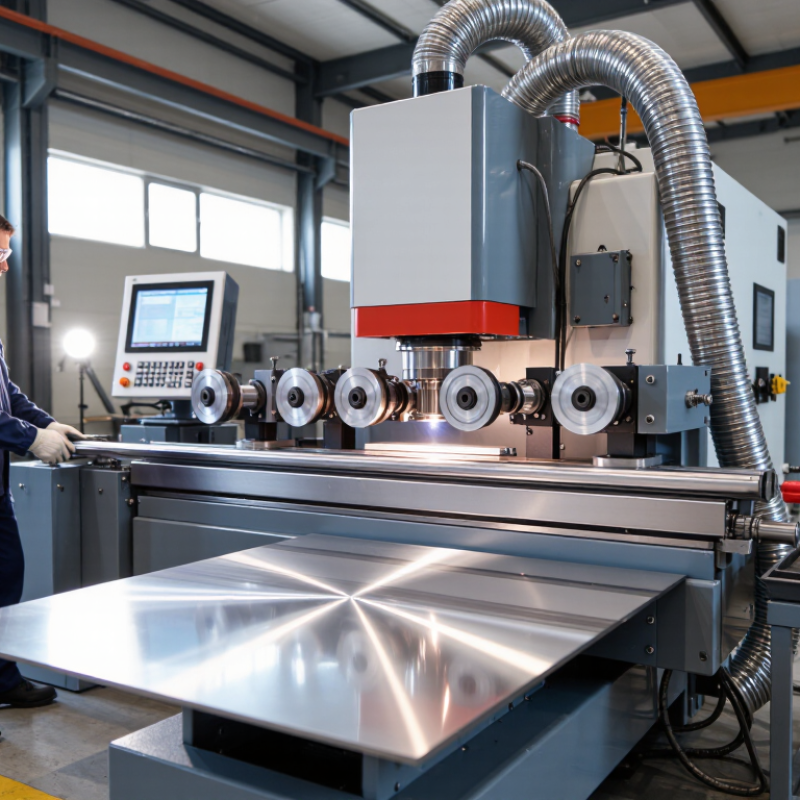
A grinding and polishing machine uses a powered abrasive tool to shape a surface, remove defects, or improve its finish. Grinding usually removes more material. Polishing uses finer abrasives to reduce scratches and create a smoother, more uniform appearance. The machine may use a rotating wheel, belt, or disc, with work held by hand or secured in a fixture. The right setup depends on the material, part geometry, and required finish.
The World Stainless Association reported global stainless-steel melt-shop production of 58.4 million tonnes in 2023, up 4.6% from 2022. This is not a machine-sales figure, but it shows the scale of a material industry where surface finishing matters. On a stainless-steel component, an operator may move from a coarse abrasive to finer stages, checking heat, scratch direction, and edge shape along the way. Small process changes can leave visible marks.
A practical machine should provide stable speed, secure workholding, and suitable guarding and dust control. Choose the abrasive and pressure carefully; excess heat can discolor metal or damage a delicate edge. There is no universal recipe. Even a polished surface can hide uneven scratch patterns under certain lighting, so inspect the part under consistent light and verify the finish against the job specification.
| Machine Type | What It Does | Common Workpieces | Typical Applications | Key Selection Considerations |
|---|---|---|---|---|
| Belt Grinding Machine | Uses a moving abrasive belt to remove material, smooth surfaces, or prepare edges. | Metal bars, sheets, tubes, welds, and fabricated parts | Deburring, weld blending, edge finishing, and surface preparation | Workpiece size, belt width, abrasive type, contact-wheel design, and dust extraction |
| Disc Grinding Machine | Uses a rotating abrasive disc for controlled grinding or finishing of a workpiece surface. | Flat or shaped metal components and selected non-metal materials | Surface correction, edge work, and removal of local imperfections | Disc diameter, abrasive grade, workpiece support, guarding, and operator access |
| Bench or Pedestal Grinder | Uses one or more abrasive wheels mounted on a fixed spindle for localized grinding. | Tools, small metal components, and workshop parts | Tool sharpening, light material removal, and small-part deburring | Wheel compatibility, work-rest adjustment, guarding, vibration, and safe operating procedures |
| Centerless Grinding Machine | Grinds cylindrical workpieces without holding them between centers; the part is supported during grinding by the machine setup. | Round bars, pins, rollers, and other cylindrical parts | Consistent diameter finishing in repetitive production | Workpiece diameter range, achievable tolerances, feed method, setup time, and production volume |
| Rotary or Vibratory Finishing Machine | Moves parts and abrasive media together to smooth edges and produce more uniform finishing. | Small metal or plastic parts that can be processed in batches | Deburring, edge radiusing, and batch surface finishing | Part geometry, media selection, batch capacity, separation method, and risk of part-to-part contact |
| Flat Lapping and Polishing Machine | Uses a flat plate, polishing pad, or lapping surface with an abrasive compound to improve flatness and surface finish. | Seals, optical components, ceramic parts, and precision flat components | Fine finishing and precision treatment of flat surfaces | Required flatness and finish, plate size, process control, workpiece material, and cleanliness requirements |
| Robotic Grinding and Polishing Cell | Uses a programmed robot and suitable abrasive tooling to repeat finishing paths on parts. | Repeatable components such as castings, fabricated parts, and formed products | Automated deburring, weld finishing, and repeatable surface treatment | Part variation, tooling access, programming needs, safety enclosure, extraction, and changeover requirements |
| Combined Grinding and Polishing System | Combines material-removal and finishing operations in one machine or production line. | Parts requiring multiple surface-processing stages | Integrated finishing workflows where process sequence and handling need coordination | Required process stages, workpiece handling, changeover time, quality checks, and compatibility of abrasives |
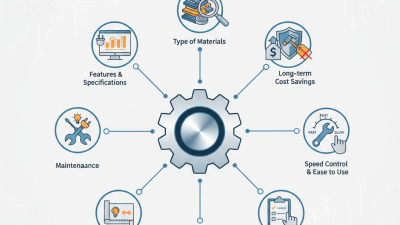
Supplier evaluation: Compare suppliers using application experience, machine specifications, safety features, sample-processing capability, documentation, installation support, spare-parts availability, and after-sales service. The appropriate machine depends on the workpiece material, geometry, required finish, production volume, and process requirements.