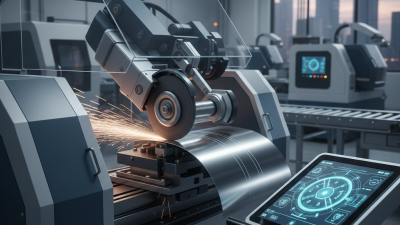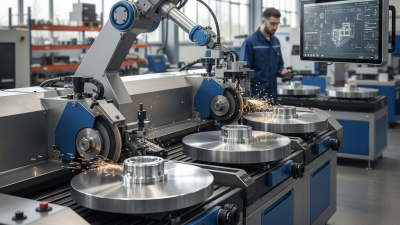
Chamfer Machines are essential tools in manufacturing. They create beveled edges on workpieces, enhancing both aesthetics and functionality. These machines help in reducing stress concentrations and ensure proper assembly of parts.
Understanding how Chamfer Machines operate requires a look into their mechanics. Many models utilize rotating tools to shape edges efficiently. Others might rely on precision cutting methods. Regardless of the type, consistency in quality is crucial.
Manufacturers and operators often face challenges when using Chamfer Machines. Misalignments can lead to imperfections. Regular maintenance checks ensure optimal performance. Utilizing Chamfer Machines effectively demands both skill and knowledge. This guide aims to provide insights into their operation and best practices.
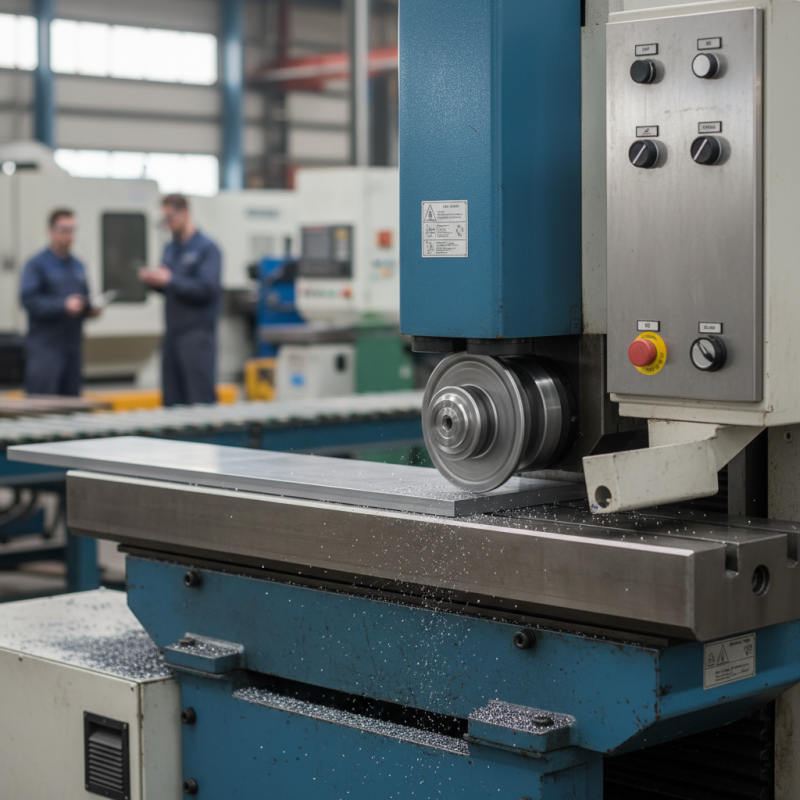
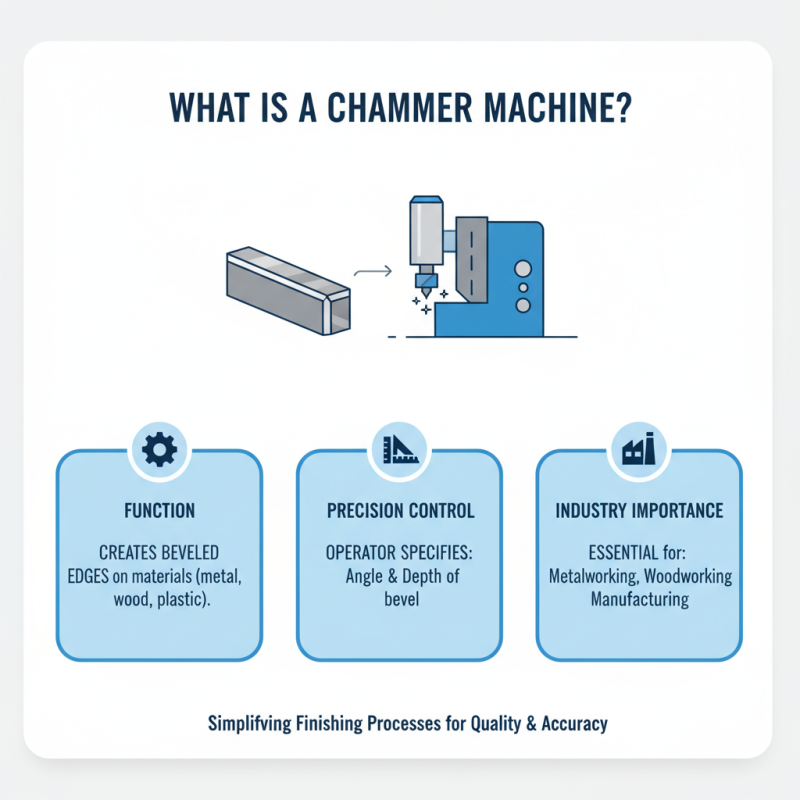
A chamfer machine is a vital tool in manufacturing, primarily used for creating beveled edges on various materials. These machines are designed to simplify the finishing process by allowing operators to specify the desired angle and depth of the bevel. With increasing demands for precision and quality, chamfer machines have become essential, particularly in industries like metalworking and woodworking.
Typically, a chamfer machine employs a rotating cutting tool that shapes the edges of the workpiece. The operation is relatively straightforward, but the results can significantly impact the overall product quality. Operators must ensure the correct setup to avoid mishaps like uneven edges. Not every machine handles all materials the same way; some machines excel with metals, while others perform better with plastics or composites. This specificity can often lead to challenges, as manufacturers may need to invest in multiple machines to meet diverse project requirements.
Understanding how to properly maintain and operate a chamfer machine is crucial. Regular inspections can prevent common issues, but they are often overlooked. This neglect can lead to machine downtime or decreased efficiency. Operators should also keep materials and tool types in mind; not all combinations yield the best results. By recognizing these nuances, manufacturers can optimize their processes and enhance production quality.
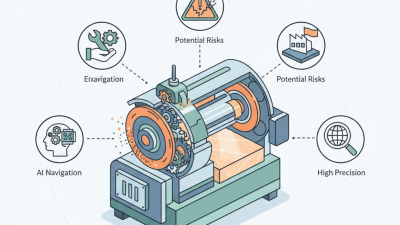
The history of chamfer machines traces back to the early 20th century. Initially, these machines were basic tools designed to create beveled edges on various materials. The evolution of manufacturing technology drove significant improvements in chamfer machine design. By the 1950s, innovations in automation began enhancing their efficiency.
Today, research indicates that the global chamfer machine market is projected to grow significantly. According to industry analyses, the market is expected to expand at a CAGR of about 6% from 2021 to 2026. Such growth reflects the increasing demand for precision in industries like automotive and aerospace. However, the adaptation of these machines isn't without challenges.
Companies often struggle with integrating advanced technologies into older systems. The need for skilled operators to manage complex setups can hinder productivity. Additionally, many businesses face issues with maintenance and uptime. Addressing these hurdles is vital for maximizing the potential of chamfer machines. These machines play a crucial role in ensuring product longevity and quality, yet they require thoughtful implementation to realize their full benefits.
Chamfer machines are essential tools in manufacturing. They create beveled edges on a variety of materials. The operation of a chamfer machine can be quite straightforward, yet there are intricate details that enhance efficiency.
The process begins with the setup of the workpiece. Operators fix the material in place using clamps. Proper alignment is crucial. This ensures that the beveled edge is cut accurately. Next, the machine’s cutting tool engages with the material. It removes excess material to form the desired angle. The feed rate and cutting speed must be monitored closely. A slow feed can lead to overheating, while a fast feed may compromise precision.
After cutting, operators inspect the chamfered edges. Quality control is vital to meet specifications. Sometimes, flaws may slip through. Errors in setup or cutting can lead to inconsistent results. Reflecting on these moments can lead to improved practices. Regular maintenance of the machine also contributes to better performance. Chamfer machines, while effective, require diligence and attention to detail for optimal operation.
| Dimension | Details |
|---|---|
| Machine Type | CNC Chamfer Machine |
| Operation Principle | Utilizes rotating cutting tools to create angled edges |
| Common Applications | Metalworking, woodworking, plastic parts shaping |
| Key Features | Precision cutting, adjustable angles, user-friendly interface |
| Material Compatibility | Steel, aluminum, brass, plastics |
| Maintenance Requirements | Regular lubrication, inspection of cutting tools, software updates |
| Average Cost | $10,000 - $50,000 depending on specifications |
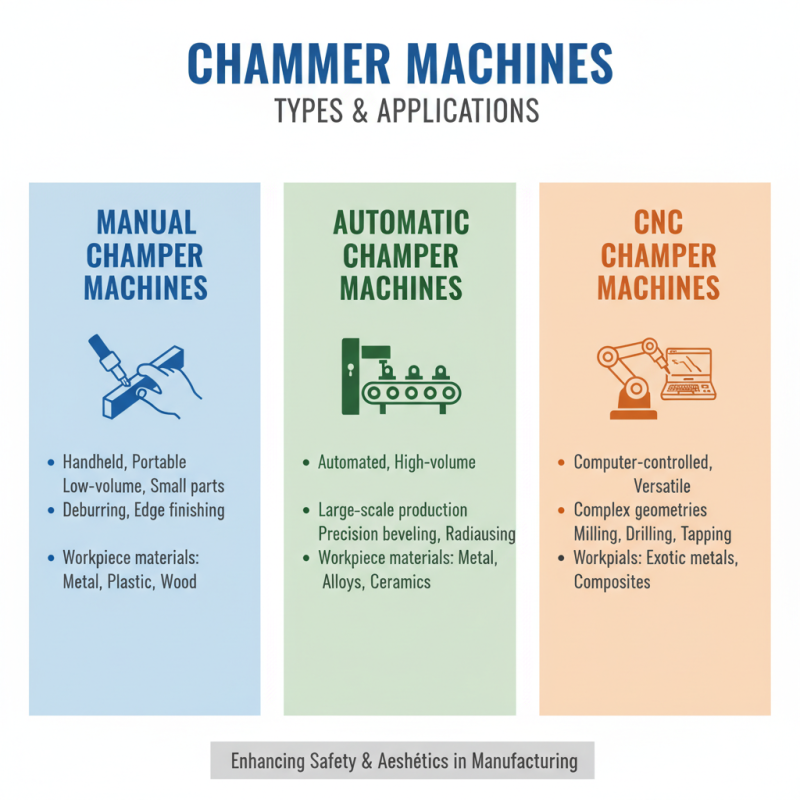
Chamfer machines play a critical role in manufacturing. They help create angled edges on various materials. This process enhances safety and improves aesthetics. Different types of chamfer machines exist for specific applications. Knowing which type to use is essential.
Manual chamfer machines are simple and versatile. Workers operate them with ease. They are suitable for small projects and less frequent work. Automated chamfer machines increase efficiency. They handle larger volumes and maintain uniform quality. CNC chamfer machines offer precision. They are excellent for high-tech industries where exact angles matter.
In construction, chamfer machines improve joint quality. They facilitate better bonding between materials. But, using the wrong machine can lead to flaws. A poor finish on components can hinder project success. Understanding the requirements is crucial for effective outcomes.
Chamfer machines play a vital role in manufacturing. They enhance efficiency and precision. These machines create a beveled edge on metal or plastic parts. This edge reduces stress concentrations. It leads to longer tool and product life.
In a recent industry report, it was noted that the use of chamfer machines can increase production efficiency by up to 30%. This efficiency comes from their ability to perform tasks quickly. Traditional methods can be time-consuming. Workers often face challenges when manually applying chamfers, leading to errors. Machine automation minimizes these risks and ensures uniformity.
Moreover, employing chamfer machines can improve safety. Sharp edges can pose hazards during assembly. A chamfered edge is safer to handle. However, not all chamfer machines are equally effective. Selecting the wrong machine can lead to inconsistent results. It’s essential to consider specific manufacturing needs. Testing different options can provide better insights and outcomes.