2026 Top Grinding Polishing Machine Trends and Innovations?
The grinding polishing machine industry is undergoing remarkable transformations. With the demand for precision engineering growing, innovations are critical. According to recent market analysis, the global grinding and polishing machine market is projected to reach USD 5 billion by 2026. This reflects a significant compound annual growth rate (CAGR) of over 4%.
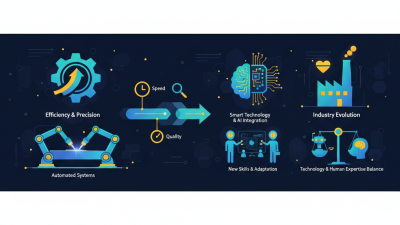
Automated solutions are on the rise in the grinding polishing machine sector. Manufacturers are increasingly integrating smart technology. This includes AI and IoT capabilities for improved efficiency and accuracy. These advancements can reduce human error and enhance product quality. However, challenges remain. The initial costs for implementing these technologies can be high. This may restrict small manufacturers from competing effectively.
In addition, sustainable practices are becoming a focal point. Many companies are exploring eco-friendly materials and processes. This is essential as global regulations tighten. Yet, incorporating sustainability often means adjusting existing workflows, which can be disruptive. The future of grinding polishing machines is indeed a blend of innovation and adaptation. The industry must embrace these trends to thrive amidst growing competition and customer expectations.
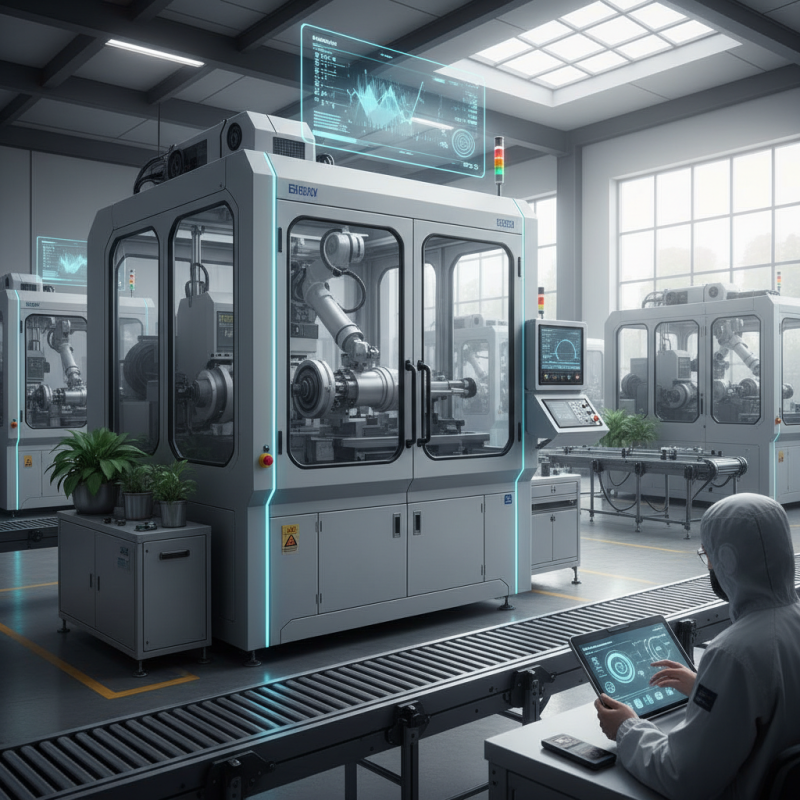
Emerging Technologies in Grinding and Polishing Machines for 2026
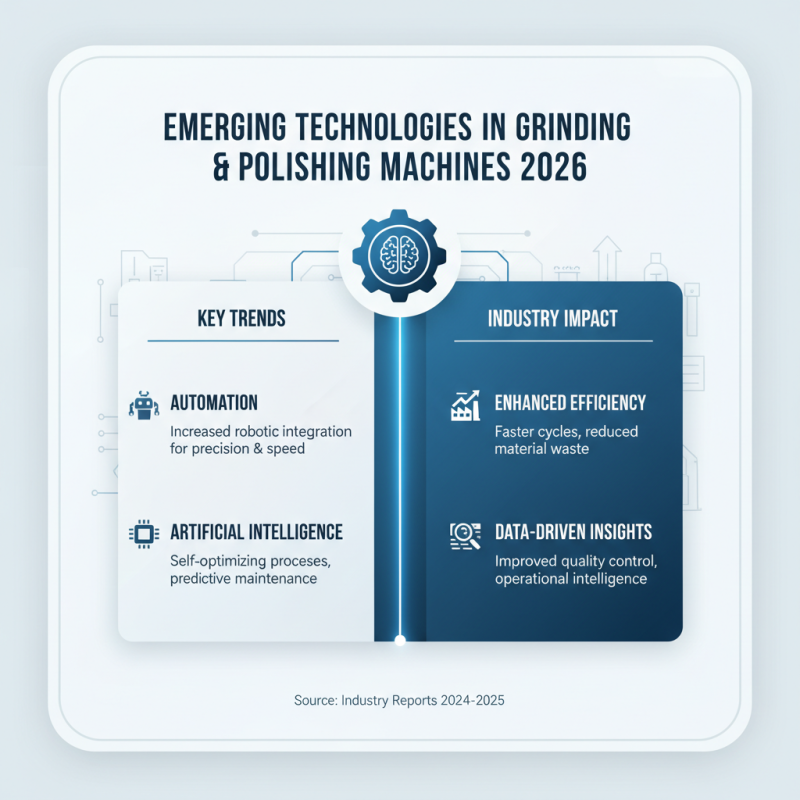
The grinding and polishing machine market is evolving rapidly. Emerging technologies are shaping the industry for 2026. Data from industry reports suggests that automation and AI will play a crucial role in enhancing machine efficiency.
Automation reduces human error and allows for real-time monitoring. According to a recent study, up to 30% of grinding operations can be automated. This shift could lead to major cost savings. However, integrating AI remains a challenge for many manufacturers. They must ensure adequate training for workers to handle new technologies.
Additionally, sustainability is becoming a priority. Industry data indicates that eco-friendly materials in machine construction will increase by 20% by 2026. Many machines will incorporate energy-efficient designs. Yet, there are concerns about the cost implications for smaller companies. Balancing innovation with affordability will be key for growth.
Key Trends in Automation and Robotics for Grinding Applications
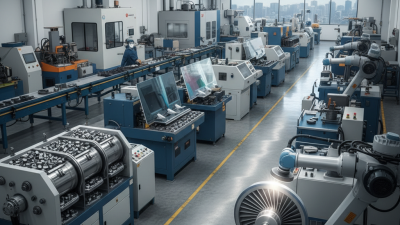
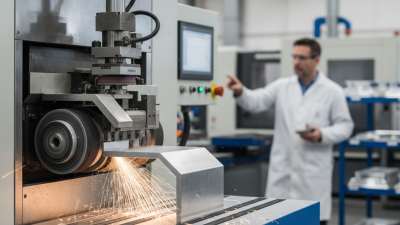
Automation and robotics are transforming grinding applications. Companies are increasingly adopting automated solutions. This shift enhances precision and efficiency. The integration of robotic arms is a prime example. They handle tasks like loading and unloading materials with speed, which reduces manual labor and limits errors. However, the initial setup can be costly. Some businesses may hesitate to make this investment.
Despite the challenges, the benefits are substantial. With automation, production rates improve significantly. Robots can run continuously, minimizing downtime. This aspect is crucial for industries with high demand. Moreover, machines equipped with AI can learn and adapt. They make adjustments in real time, optimizing the grinding process. Yet, not all companies are ready for these advanced systems. Training staff and adjusting workflows presents difficulties.
The trend towards automation in grinding applications is clear. However, not all innovations are seamless. There are still questions about maintenance and technical support. Integrating new technologies often requires a cultural shift. This can be difficult for established businesses. Balancing innovation with practicality is key. Success in this field requires careful consideration and adaptability.
Sustainable Practices and Eco-Friendly Innovations in Polishing Machines
The world of grinding and polishing machines is evolving. Eco-friendly innovations are driving change in this field. Manufacturers are exploring sustainable materials for machine components, reducing environmental impact. Lightweight composites are becoming more common, replacing heavier metals.
Energy efficiency is another focus area. New designs allow machines to consume less power during operation. Some models even harness renewable energy. However, the transition isn’t without challenges. The initial cost of these eco-friendly machines can be higher, creating a barrier for some companies.
Water usage in polishing processes is often excessive. New techniques aim to recycle water and minimize waste. Yet, implementing these practices requires dedication and time. Operators need training to adapt to these changes effectively. As the industry moves forward, finding a balance between innovation and practicality remains critical.
Market Demand and Industry Growth Influencing Grinding Technologies
The demand for grinding and polishing machines is escalating. Industry analysts predict a compound annual growth rate (CAGR) of 4.5% through 2026. This growth is driven by increased automation in manufacturing. Businesses are seeking efficient solutions to meet production targets. In addition, advancements in grinding technologies enhance precision and reduce waste. A recent report highlighted that the efficiency of grinding processes can improve by up to 30% with new innovations.
Moreover, market trends show a shift towards sustainable practices. More companies prioritize eco-friendly solutions. Consumers and industries alike demand less energy consumption. From 2023 to 2025, the implementation of green technologies in grinding machines is expected to rise by 25%. However, the transition presents challenges. Many manufacturers struggle with high initial costs and integration issues. There is also a significant gap in skilled labor for new technologies.
As grinding technologies evolve, staying informed remains crucial. Investing in training is essential. However, not all companies are prepared for this shift. Some may still rely on outdated methods, risking inefficiency. The industry must reflect on its progress. Overall, the growth in grinding technologies indicates a bright future, yet it requires adaptation and commitment from all involved.
2026 Top Grinding Polishing Machine Trends
Future Materials and Their Impact on Grinding and Polishing Techniques
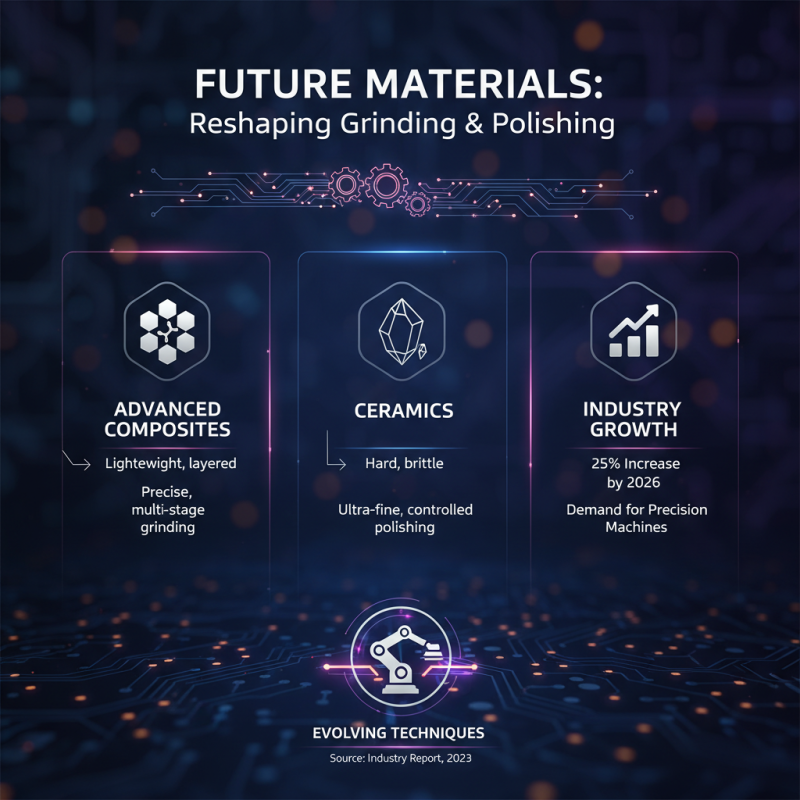
The landscape of grinding and polishing is rapidly evolving. Future materials are reshaping techniques in the industry. According to a recent industry report, advanced composites and ceramics will grow by 25% in usage by 2026. These materials demand precise machines that can handle their unique properties.
The challenge lies in adapting current grinding systems. Many existing machines struggle to process these tougher materials. For instance, while conventional abrasives work well on metal, they fall short on advanced ceramics. This gap creates a need for innovation that addresses material-specific requirements.
Moreover, sustainability concerns are pushing for greener alternatives. Innovations in eco-friendly abrasives are on the rise. Research indicates that up to 30% of production waste can be reduced with these new materials. As the industry shifts, companies must rethink their approaches. The goal should focus not only on efficiency but also on environmental impact. Exploring these advances offers both opportunities and challenges.