2026 Top Deburring Machine Trends and Innovations for Industry Professionals?
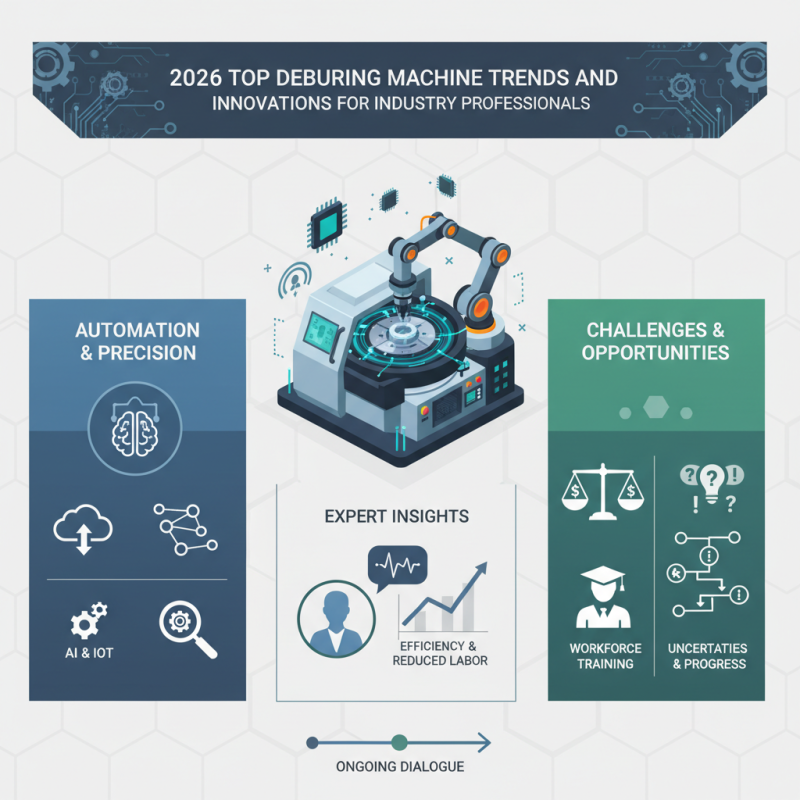
In recent years, the deburring machine industry has undergone significant transformations. According to John Smith, a renowned expert in the field, "The future of deburring machines lies in automation and precision." His insights shed light on how technology shapes this sector.
The rise of automation is evident. Deburring machines now integrate advanced features like AI and IoT capabilities. These innovations promise higher efficiency and reduced manual labor. However, there is a need for cautious consideration. Not all manufacturers fully understand these technologies.
While new trends emerge, challenges remain. Companies must balance innovation with cost. Additionally, workforce training becomes vital as machines evolve. Embracing these changes presents both opportunities and uncertainties in the deburring machine landscape. As the industry progresses, ongoing dialogue and reflection are essential to navigate this complex terrain.
Emerging Technologies in Deburring Machines for 2026
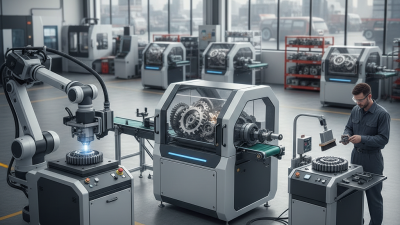
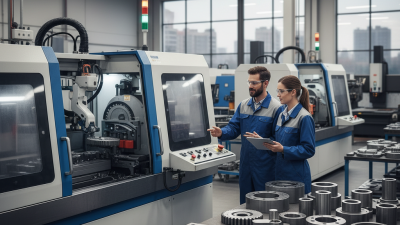
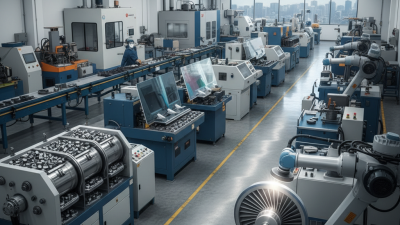
In 2026, the landscape of deburring machines is set to transform dramatically. Emerging technologies are making machines smarter, faster, and more efficient. Automation is at the forefront. Robotic systems enhance precision and reduce labor costs. These robots can adapt to various materials, like metals and plastics, with minimal adjustments. Sensors detect imperfections in real-time, ensuring top-notch quality.
Another trend is the integration of AI. Intelligent algorithms analyze processing data. They optimize deburring parameters based on the workload, leading to significant improvements in production speed. Predictive maintenance becomes common, minimizing downtime. Yet, reliance on technology raises concerns about skill gaps. Operators must update their skills to manage advanced systems effectively.
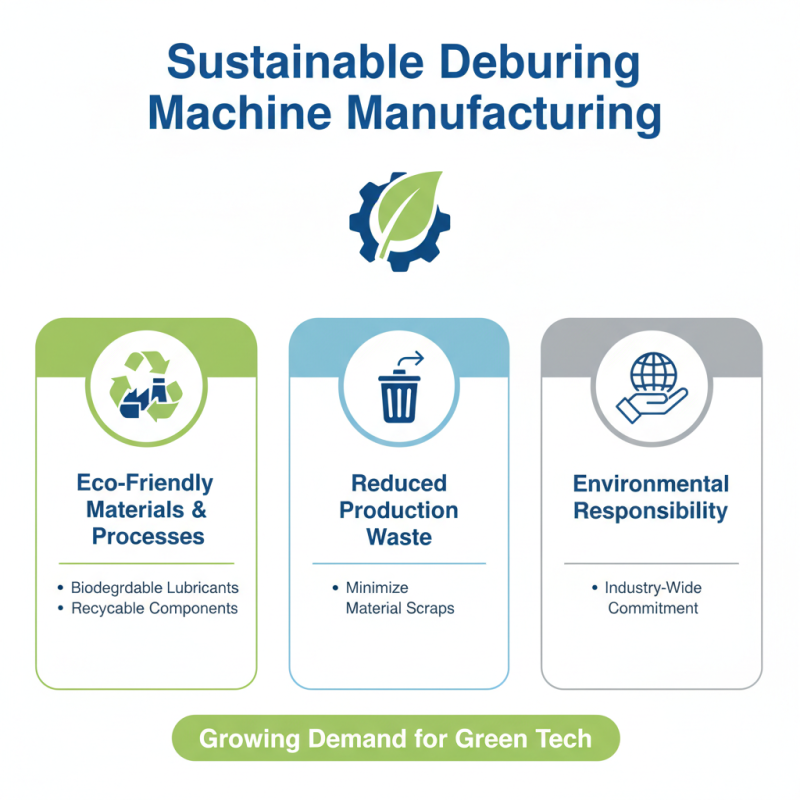
Sustainability is also an important factor. Companies seek eco-friendly materials and processes. The use of water-based solutions instead of harsh chemicals is gaining traction. But, achieving a balance between efficiency and environmental responsibility remains challenging. Industry professionals will need to navigate these evolving priorities carefully, ensuring that innovations benefit both productivity and sustainability.
2026 Top Deburring Machine Trends and Innovations for Industry Professionals
| Trend/Innovation |
Description |
Impact on Industry |
Adoption Rate (%) |
| Automation Integration |
Enhanced automation technologies are being integrated into deburring machines to improve precision and efficiency. |
Increased production speeds and reduced labor costs. |
75% |
| Smart Sensors |
The use of smart sensors to monitor the deburring process in real-time and alert operators of any necessary adjustments. |
Reduced errors and improved quality control. |
60% |
| Eco-Friendly Materials |
Increased use of environmentally friendly materials in the manufacturing of deburring machines. |
Reduction in environmental impact and compliance with regulations. |
50% |
| AI and Machine Learning |
Implementing AI algorithms to optimize deburring processes based on historical data. |
Enhanced decision-making and process efficiencies. |
65% |
| Modular Designs |
Development of modular design machines that can be customized for specific operations. |
Greater flexibility in operations and maintenance. |
70% |
Key Features and Functionalities to Look for in 2026 Models
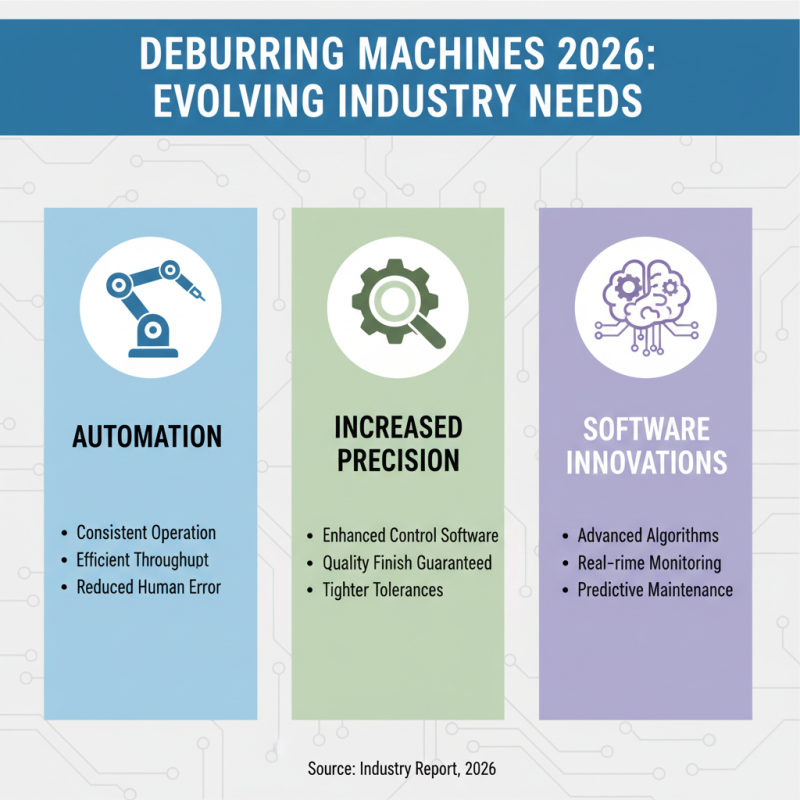
In 2026, deburring machines will feature several key functionalities to meet evolving industry needs. One focus will be on automation. Automated systems allow for consistent and efficient operation, reducing human error. Increased precision will be vital. Innovations in software will enhance control over the deburring process, ensuring a quality finish.
Another important feature is versatility. The ability to handle various materials will be crucial. Machines should adapt to metals, plastics, and composites seamlessly. Moreover, compact designs will save space in workshops. While impressive, these advancements may come at a cost. Industry professionals will need to evaluate if the benefits justify the investment.
Finally, user-friendly interfaces will gain importance. Complex controls can be overwhelming. Simpler solutions can aid in faster training for operators. Despite these advancements, some challenges will remain. Ensuring machines perform at optimal levels consistently is a hurdle. Regular maintenance strategies will also be essential in 2026.
Impact of Automation and AI on Deburring Processes
The integration of automation and AI in deburring processes is transforming the manufacturing landscape. Recent studies indicate that over 40% of companies are adopting automated systems to enhance precision and efficiency in deburring operations. These advancements reduce human error and ensure consistent quality across components. In a sector that traditionally relied on manual labor, this shift represents a significant evolution.
AI algorithms analyze the geometry of parts and optimize the deburring path. This results in a reduction of cycle time by an impressive 30%. However, implementing such technologies isn't without challenges. Many professionals grapple with initial setup costs and the steep learning curve associated with advanced systems. An estimated 25% of manufacturers report difficulties in integrating new technologies into their existing workflows.
While automation increases productivity, it also raises concerns about job displacement. Workers often feel apprehensive about technological advancements replacing their roles. The industry must address these anxieties and provide upskilling opportunities to ease the transition. Achieving a balance between technology and workforce dynamics will be critical for future success.
Trends in Materials and Designs for Enhanced Deburring Efficiency
In 2026, the deburring machine industry focuses heavily on materials and design innovations. New composites are emerging, providing lightweight yet durable options that enhance performance. These materials resist wear and tear, and can cut costs in the long run. More manufacturers are testing eco-friendly alternatives, aiming for sustainability without sacrificing efficiency.
The designs are evolving too. Modular systems allow for easy upgrades, catering to specific needs of various industries. This adaptability can be a game changer, but challenges remain. Not all designs are user-friendly, leading to operational setbacks. Continuous feedback from operators is crucial to refine these models.
As we embrace these trends, it's important to ask whether efficiency is truly being maximized. Some machines might still leave behind small burrs that affect product quality. Striving for perfection in deburring processes can be a daunting task. Engaging with industry professionals to share insights might help bridge these gaps.