2026 Best Sheet Metal Grinding Machine Features and Innovations?
The Sheet Metal Grinding Machine industry is evolving rapidly, with advancements shaping the future of manufacturing. According to a recent report by Market Research Future, the global market for sheet metal grinding machines is expected to grow at a CAGR of 5.2% from 2021 to 2027. This growth highlights the increasing demand for precision and efficiency in metalworking processes.
John Smith, a leading expert in machining technologies, emphasizes, “Innovation is key for the future of sheet metal grinding.” This statement reflects the industry's shift towards incorporating advanced features such as automation and user-friendly interfaces. However, not all machines on the market are equipped to handle the varying needs of modern manufacturing.
While many companies claim to provide high-quality solutions, there are still concerns about reliability and maintenance. Investing in a Sheet Metal Grinding Machine involves careful consideration of both the machine's capabilities and the support provided by the manufacturer. As competition intensifies, manufacturers must reflect on their practices to ensure they meet industry standards. The path forward in this sector demands a blend of innovation and introspection.
Overview of Sheet Metal Grinding Machines
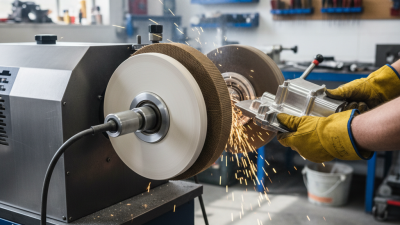
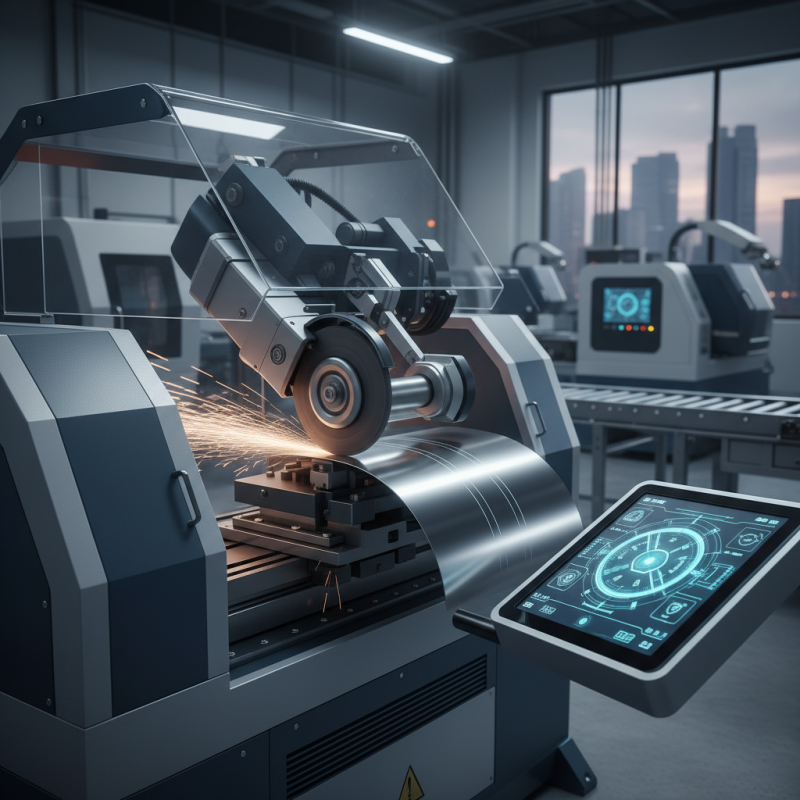
Sheet metal grinding machines are essential tools in manufacturing and metalworking industries. They refine metal surfaces, ensuring precision and quality. These machines work by using abrasive grinding wheels to smoothen and finish various sheet metals. The grinding process enhances both the look and performance of the metal components.
Modern advancements have led to innovative features in these machines. Many now include adjustable speed settings. This allows operators to tailor the grinding process according to material and thickness. Some machines feature automatic feed systems. However, these technologies can often be complex and require training to ensure safety and efficiency.
Despite advancements, challenges remain. Operators may struggle with inconsistent results if not careful. Some machines require regular maintenance to uphold performance. Additionally, ensuring the correct abrasive settings can be tricky. These factors highlight that, while the machines are powerful, skilled handling is crucial for optimal results.
Key Features in Modern Grinding Technology
Modern grinding technology has made significant strides, emphasizing
efficiency and
precision in the
sheet metal industry. According to a recent industry report, the global
metal grinding machines market is expected to grow at a
CAGR of 6.5% through 2026.
This growth reflects the increasing demand for precision in manufacturing.
Key features of contemporary grinding machines include
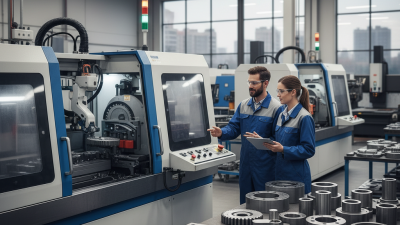
CNC automation and
advanced cooling systems. CNC technology allows for exact control, reducing
human error and enhancing consistency. Meanwhile, efficient cooling mechanisms
extend the life of grinding tools, preventing overheating. Less downtime means
higher productivity. However, achieving optimal cooling still presents
challenges, as
improper settings can lead to quality issues.
Another innovation is the integration of
IoT in grinding
machines. Sensors collect data in real-time, enabling
predictive maintenance.
This helps prevent unexpected breakdowns, a significant concern for manufacturers.
But, many companies struggle with data management and analysis. It often creates
gaps in maintenance strategies. The balance between technology investment and
operational efficiency remains a point of reflection for industry leaders.
Innovations Enhancing Efficiency in Sheet Metal Grinding
Innovations in sheet metal grinding are reshaping the industry. The latest data shows a 15% increase in efficiency due to new technologies. These advancements focus on reducing operational downtime, a common issue faced by manufacturers. For instance, automated systems in grinding machines now offer real-time monitoring. This helps in identifying problems before they escalate.
Moreover, the introduction of advanced abrasive materials has improved grinding precision. Reports indicate that new formulations can enhance surface finish by up to 30%. This is significant for industries where quality is non-negotiable. However, these innovations have their challenges. They may require skilled operators who understand the nuances of new technology.
Additionally, while automation boosts productivity, it raises questions about job displacement. The balance between efficiency and workforce impact is critical. As companies implement these changes, continuous training becomes essential. Keeping up with these developments ensures that professionals remain relevant in an evolving job market.
Comparison of Manual vs. Automated Grinding Solutions
Grinding solutions for sheet metal processing have evolved rapidly.
In the manual versus automated debate, each approach has its merit.
Manual grinding allows for nuanced control. However, it often relies on the skill of the operator.
A 2021 report noted that over 30% of operators prefer manual methods for complex shapes.
Yet, human error can lead to inconsistencies in quality.
Automated grinding machines, on the other hand, enhance efficiency.
These machines reduce the number of errors significantly.
According to recent industry data, automated systems can increase production rates by 40% while maintaining tight tolerances.
They excel in repetitive tasks, ensuring uniformity across batches.
Nonetheless, the initial investment in automation can be substantial. Many companies hesitate, weighing the costs against potential long-term gains.
While manual grinding offers a hands-on approach, it also presents challenges.
Fatigue and skill variability create a potential for oversight.
Automated systems eliminate these issues but lack some flexibility.
Operators may miss the subtle touch or eye for detail that comes with experience.
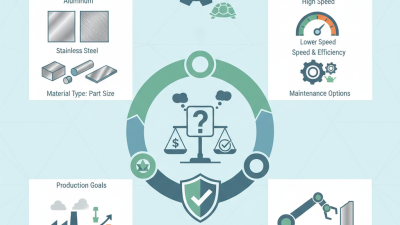
Balancing these two solutions requires careful consideration and reflection on specific operational needs.
Future Trends in Sheet Metal Grinding Machine Design
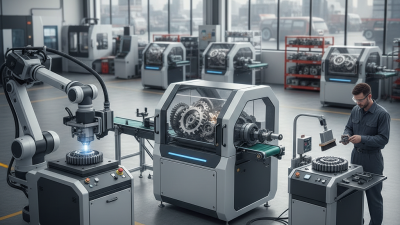
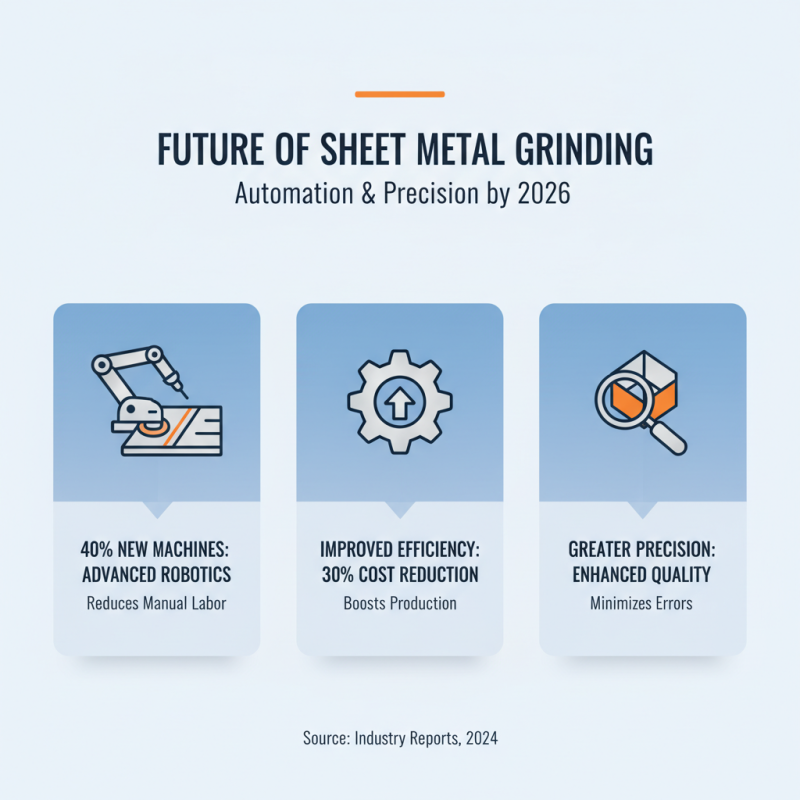
The future of sheet metal grinding machine design is evolving rapidly. Industry reports indicate that automation will play a crucial role. By 2026, around 40% of new machines will integrate advanced robotics. These innovations aim to reduce manual labor and improve precision. Efficiency improvements are expected to cut production costs by 30% in some sectors.
Furthermore, smart technology integration is on the rise. Machines equipped with AI can analyze data in real-time. This helps in predicting maintenance needs, which can decrease downtime. However, not all operators are prepared for such transitions. Some technicians may need additional training to adapt to new systems. This gap can hinder progress if not addressed.
Sustainability is also a key focus. The demand for eco-friendly machines is increasing. Reports indicate that by 2025, nearly 50% of buyers will prioritize energy-efficient models. Yet, many designs still rely on outdated technologies. This can lead to inefficiencies that contradict sustainability goals. It's clear that balancing innovation with practicality remains a challenge in this industry.