2026 Best Metal Sanding Machine Reviews and Buying Guide?
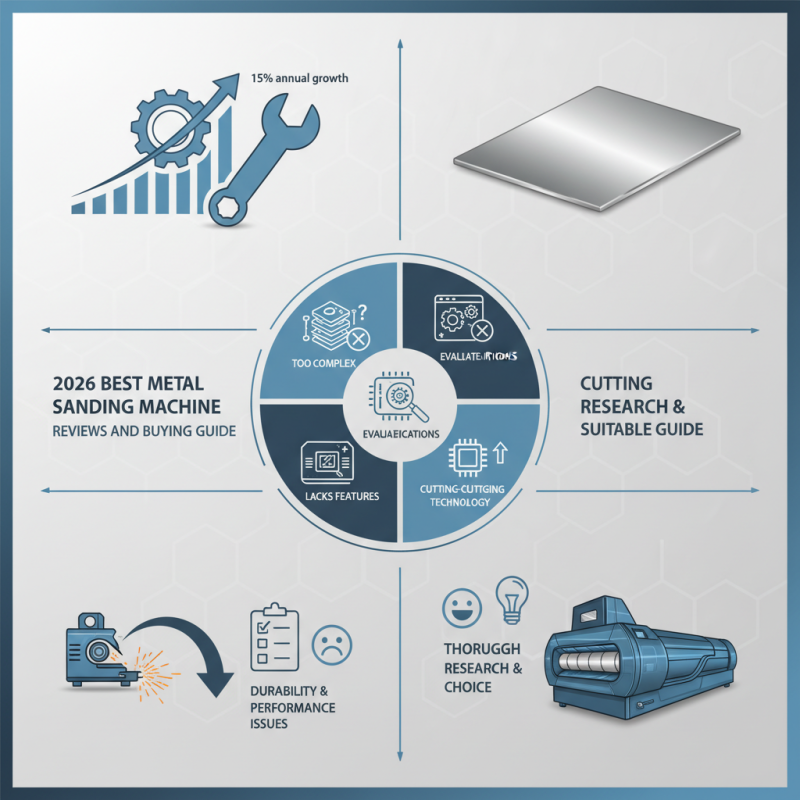
In the world of manufacturing, the importance of an efficient Metal Sanding Machine cannot be overstated. According to a recent report from the Metalworking Industry Association, the global market for sanding machines is expected to grow by 15% annually. This growth reflects the increasing demand for precision in metal fabrication. As industry expert Johnathan Miller states, “The right sanding machine can make or break a project.”
Choosing the best Metal Sanding Machine is crucial for achieving optimal results. These machines are not just about speed; they also impact the quality of finish and material longevity. Many users face challenges when selecting the right model for their needs. Some machines are too complex, while others lack essential features for efficient sanding. It's essential to evaluate the machine's specifications carefully. Opting for cutting-edge technology ensures more precision and reduces waste.
However, not all products on the market deliver as promised. Reviews highlight issues like durability and performance inconsistencies. Buyers often regret not conducting thorough research beforehand. It's vital to reflect on these factors before making an investment in a Metal Sanding Machine. Understanding your requirements fully can guide you toward the most suitable choice.
Overview of Metal Sanding Machines and Their Importance
Metal sanding machines play a vital role in manufacturing and metalworking processes. These machines enhance surface finishes on metals, ensuring precision and quality. According to a recent industry report, about 70% of manufacturers prioritize surface finishing for improved product performance. This statistic reflects the growing necessity for effective sanding solutions.
The importance of metal sanding machines goes beyond aesthetics. They prepare metal surfaces for painting, welding, or any other treatment. A poorly finished surface can lead to product failures. This increases rejection rates, and manufacturers waste time and resources. Remarkably, nearly 30% of production costs can be attributed to rework due to inadequate surface preparation.
Choosing the right sanding machine is crucial. The market offers various options, and each has unique features. However, purchasing decisions can be overwhelming. Many buyers focus solely on specifications and overlook operational costs and maintenance needs. Data shows that nearly 40% of users are dissatisfied with their machine choices after purchase. Understanding your specific needs is essential in this complex environment.
Key Features to Consider When Buying a Metal Sanding Machine
When selecting a metal sanding machine, key features are essential to consider. The power of the motor is crucial. A strong motor ensures efficient sanding. Look for a machine with at least 1 HP for better performance. Ease of use is another factor. A user-friendly design allows for smooth operation. Controls should be intuitive and easily accessible.
Tips: Always check the sanding belt size before purchasing. It determines the machine's versatility. A larger belt can cover more area in less time. Portability is also important if you plan to move the machine around. Some machines are lightweight and easy to transport.
Dust extraction capabilities cannot be overlooked. A good sanding machine should effectively manage dust. This keeps your workspace clean and reduces health risks. Some machines come with built-in systems, but others may require separate attachments. Choose what fits your needs best. Be aware that not all sanding machines are ideal for intricate designs. Test the machine on various projects before committing to it fully.
Top 5 Metal Sanding Machines for 2026: Reviews and Comparisons
When choosing a metal sanding machine, numerous factors come into play. The metalworking industry is growing rapidly, with a projected market value of $192 billion by 2028. This shows a keen interest in tools that enhance productivity and quality. Among the many options available, top-tier metal sanding machines boast a combination of efficiency, durability, and user-friendliness.
In 2026, a review of the best machines highlights five key players in the market. The efficiency of each machine is often measured in motor power, with models ranging between 1 to 5 horsepower. Machines with higher power can handle tougher materials more effectively. However, selecting a machine based solely on power can lead to overkill for some projects. Not every workshop needs the top-end models. Sometimes, a balanced choice and understanding the specific needs of your metalwork can yield better results.
Moreover, dust extraction capabilities are crucial. According to industry reports, effective dust extraction can improve air quality by up to 80%. This not only protects health but also enhances the machine's performance. Reflecting on these metrics helps in identifying what truly matters. Users often overlook noise levels, which can affect long-term comfort. It is vital to consider these details when making a purchase to avoid potential dissatisfaction later on.
Maintenance Tips for Ensuring Longevity of Your Sanding Machine
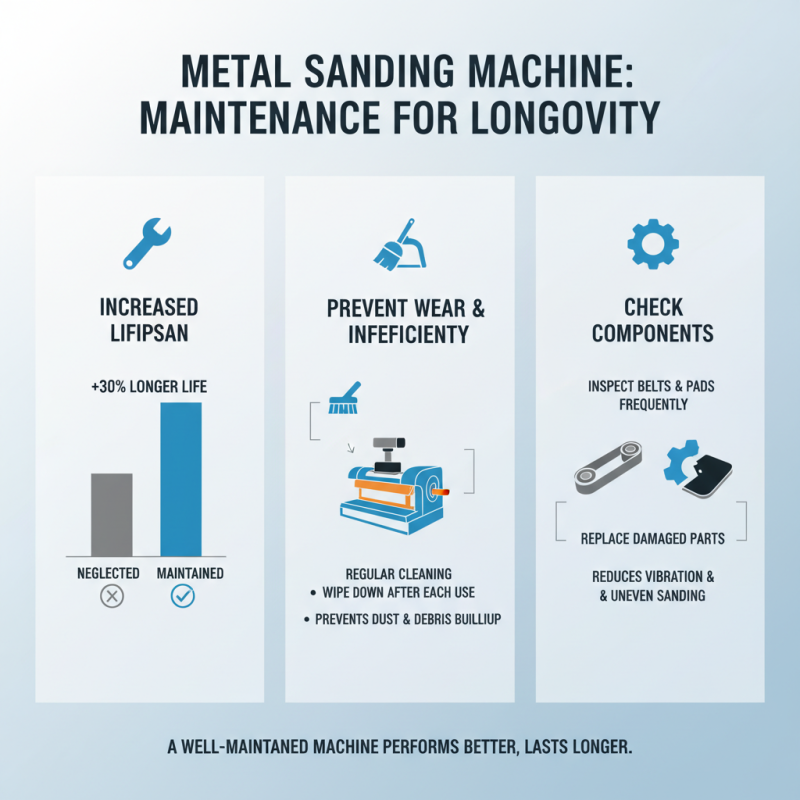
Proper maintenance of your metal sanding machine is crucial. A well-maintained machine can last up to 30% longer than one that is neglected. Regular checks and cleaning can prevent premature wear. Dust and debris can build up, leading to inefficiency. A simple wipe down after each use can make a difference. Inspect belts and pads frequently. Damaged components can cause vibration and uneven sanding.
Lubrication is essential. According to industry standards, proper lubrication can reduce friction by up to 50%. However, over-lubrication can attract more grime, making things worse. Use the right type of lubricant for your machine. Too thick or too thin can lead to issues. Also, maintain a clean workspace. A cluttered area can often lead to accidents and damage.
Mark wear indicators on your sanders. They remind you when to replace parts before they fail. Regular assessments can highlight areas for improvement. It’s about being proactive. Delaying maintenance might lead to costly repairs or even a breakdown. Understand your machine’s needs to extend its life.